


What's Happening?
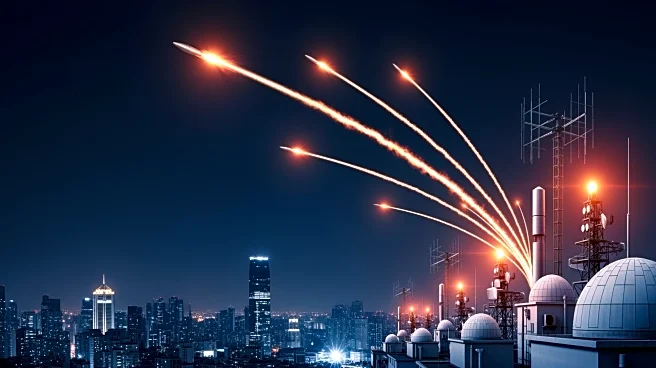
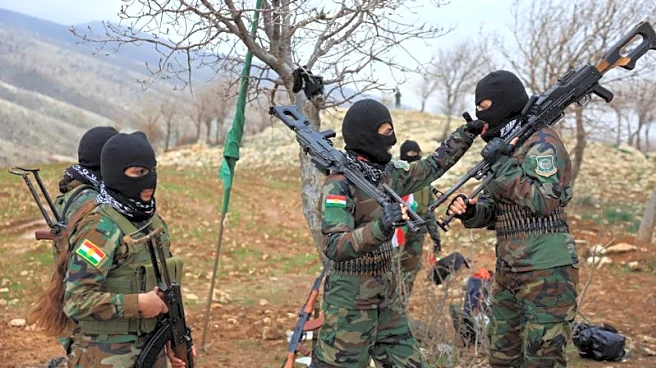
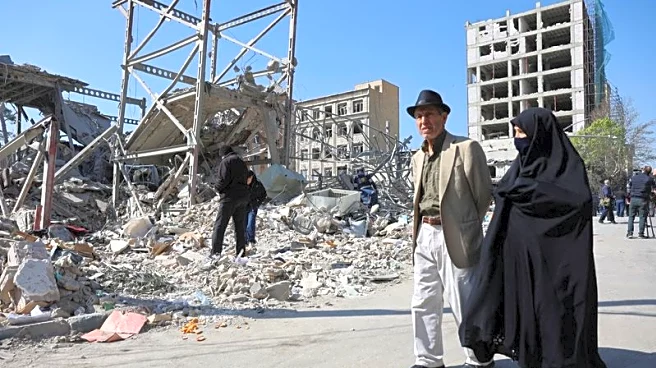
The United States and Israel have launched a military operation against Iran, reigniting discussions about regime change. The operation, named Roaring Lion, aims to curb Iran's nuclear and ballistic missile capabilities. This move has brought back memories
of past US interventions, such as the 1953 coup in Iran and the 2003 Iraq invasion. Experts like Prof. Danny Orbach highlight the historical context of US interventions, noting the mixed outcomes and unintended consequences. The current situation raises questions about the feasibility and desirability of regime change, with many in the US wary of foreign entanglements.
Why It's Important?
The significance of this development lies in its potential impact on regional stability and US foreign policy. The operation could lead to increased tensions in the Middle East, affecting global oil markets and international relations. The US's history of regime change efforts, often resulting in long-term instability, makes this a critical moment for policymakers. The operation's outcome could influence US public opinion on military interventions and shape future foreign policy decisions. Additionally, the involvement of Israel highlights the complex geopolitical dynamics in the region.
What's Next?
The next steps could involve diplomatic efforts to de-escalate tensions or further military actions if the situation deteriorates. The US and its allies may seek to negotiate with Iran to achieve their objectives without a full-scale conflict. However, the potential for escalation remains, especially if Iran retaliates or if the operation fails to achieve its goals. The international community will likely monitor the situation closely, with potential implications for global security and economic stability.