

What's Happening?
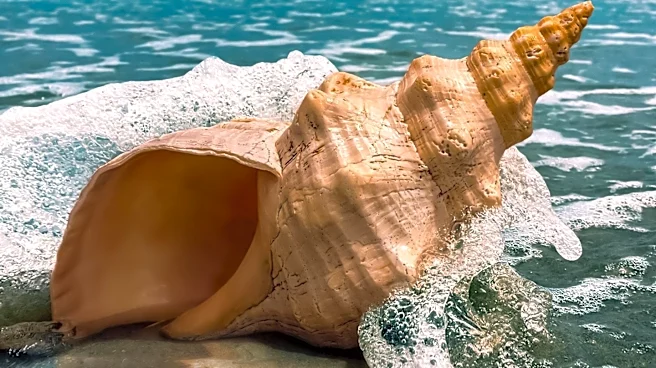
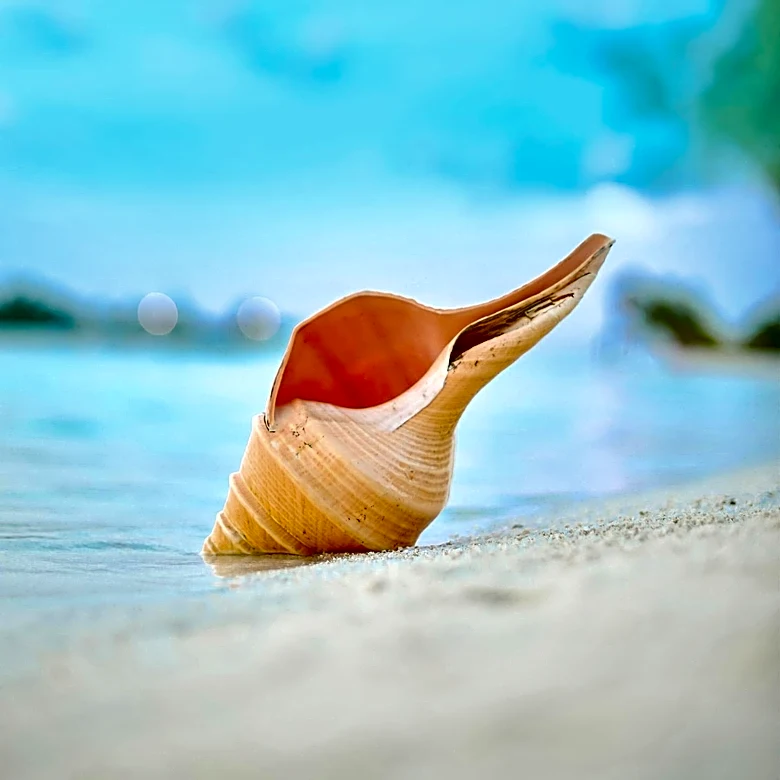
Researchers, in partnership with local conservation organizations across the Caribbean, are deploying solar-powered mobile hatcheries to protect queen conch (Aliger gigas) during their vulnerable early life stages. This initiative, led by the Queen Conch
Lab (QCL) affiliated with Florida Atlantic University (FAU), aims to slow the decline of the species, which has been severely impacted by overharvesting, habitat degradation, pollution, and warming waters. The mobile labs, measuring approximately 8 feet by 20 feet, are designed to be easily transportable and function as both nurseries for developing conch and educational centers for local communities. The process involves collecting a quarter of a female conch's egg mass, incubating the eggs, and then nurturing the hatched larvae (veligers) through various developmental stages in controlled environments. After about a year, the juvenile conch are moved to protective acclimation pens before being transferred to wild conch nurseries. The QCL's eighth mobile lab, located on Eleuthera, Bahamas, celebrated its first hatch in June and plans to release up to 2,000 juvenile conch annually.
Why It's Important?
The decline of the queen conch, designated as a threatened species under the U.S. Endangered Species Act in 2024, has significant ecological and economic implications for the Caribbean region and beyond. Queen conch are a vital part of marine ecosystems and a traditional seafood product. Their overharvesting and environmental threats have led to population collapses in many areas. The mobile hatchery project is important because it addresses the high mortality rates of conch during their early life stages, which is a major barrier to population recovery. By providing a protected environment for conch to grow before being released into the wild, the hatcheries aim to increase the number of conch that survive to reproductive age. Furthermore, the educational component of the project is crucial for fostering community-driven conservation efforts. By engaging local communities and educating them about the conch's life cycle and threats, the initiative seeks to promote sustainable fishing practices and long-term stewardship of the species. The success of these efforts could help restore marine biodiversity and support the livelihoods of communities dependent on conch fisheries.
What's Next?
The Queen Conch Lab plans to expand its network of mobile hatcheries, with additional facilities planned for Cataño, Puerto Rico; Fort Pierce, Florida; and Providenciales, Turks and Caicos Islands. Researchers will continue to monitor the effectiveness of these aquaculture efforts in contributing to the repopulation of wild conch fisheries. While some researchers, like Andrew Kough of the Shedd Aquarium, emphasize the need for more peer-reviewed research to confirm the direct impact of aquaculture on wild population restoration, Megan Davis, director of the QCL, remains hopeful. She anticipates that planned releases of several thousand conch from stationary and mobile hatcheries in Curaçao and Jamaica, respectively, will lead to more conch reaching maturity and reproducing in the wild. The ongoing educational outreach to Caribbean communities will also be a key focus, aiming to deepen local understanding and participation in conservation efforts. The project will also continue to adapt to environmental challenges, such as rising sea temperatures, by utilizing local power grids for air-conditioning and water chillers during warmer periods.
Beyond the Headlines
The mobile queen conch hatchery initiative highlights a broader shift in conservation strategies, moving beyond traditional regulations to incorporate community engagement and innovative aquaculture techniques. While the immediate goal is species recovery, the project also addresses the ethical dimension of human impact on marine life and the responsibility to protect vulnerable species. The emphasis on educating local communities about the conch's life cycle and threats fosters a sense of ownership and stewardship, which is critical for long-term conservation success. This approach recognizes that effective conservation requires not only scientific intervention but also cultural and social integration. The project also underscores the challenges of balancing economic demands for seafood with ecological sustainability, particularly in regions where livelihoods are closely tied to marine resources. The debate among researchers regarding the direct impact of aquaculture on wild populations versus its role as an educational tool reflects the complex nature of ecological restoration and the need for continuous scientific inquiry and adaptive management.