




What's Happening?
Larry Summers, a prominent figure and former Harvard professor, stepped down from his professorship at Harvard University. This resignation occurred due to his friendly email correspondence with Jeffrey Epstein, which continued until 2019. According to The
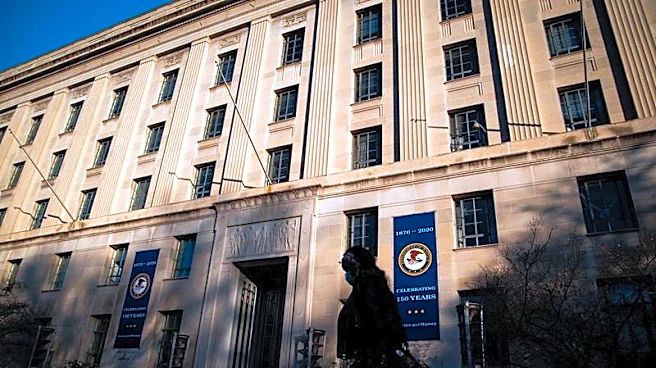
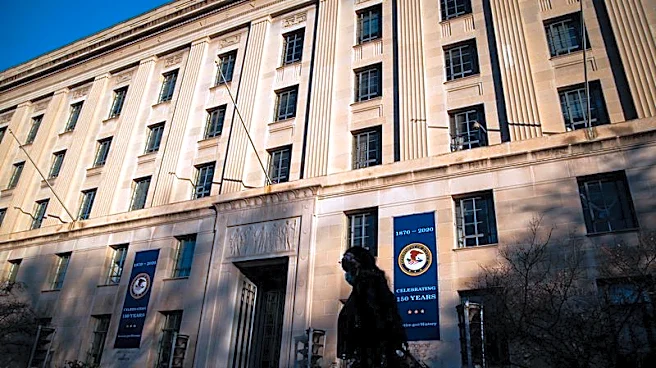
Guardian, contact between Summers and Epstein only ceased shortly before Epstein's arrest in July of the same year. This development is part of a broader trend where individuals with connections to Epstein, even if not directly implicated in his criminal activities, have faced significant professional repercussions. The release of previously unreleased Epstein files by the Justice Department in late 2025, pursuant to the Epstein Files Transparency Act, brought many of these correspondences to light, leading to public scrutiny and professional consequences for several high-profile individuals.
Why It's Important?
The resignation of Larry Summers from his Harvard professorship underscores the significant reputational risks associated with any past association with Jeffrey Epstein, even in the absence of direct criminal involvement. This event highlights the intense public and institutional pressure on individuals in prominent positions to distance themselves from figures like Epstein, particularly after the release of government documents detailing their communications. For academic institutions like Harvard, maintaining public trust and upholding ethical standards is paramount. The decision by Summers to step down reflects a proactive measure to mitigate potential damage to the university's reputation and his own, demonstrating the far-reaching impact of the Epstein scandal on professional careers and public perception. It also signals a broader societal expectation for accountability and transparency from public figures.
Beyond the Headlines
The case of Larry Summers, alongside other high-profile resignations and suspensions, reveals a deeper societal shift in how past associations are scrutinized, especially in the digital age where communications can be permanently archived and later exposed. This development raises questions about the nature of guilt by association and the extent to which individuals are held responsible for the actions of their acquaintances, even if they were unaware of or uninvolved in criminal behavior. It also highlights the power of public opinion and media scrutiny in shaping professional outcomes, even when legal culpability is not established. The ongoing fallout from the Epstein scandal continues to redefine the boundaries of professional conduct and personal accountability for those in positions of influence.