






What's Happening?
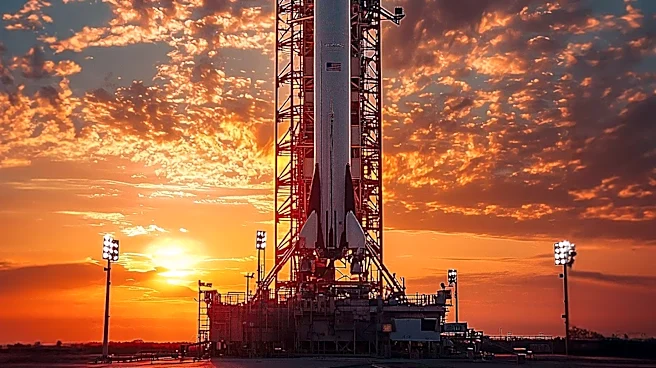
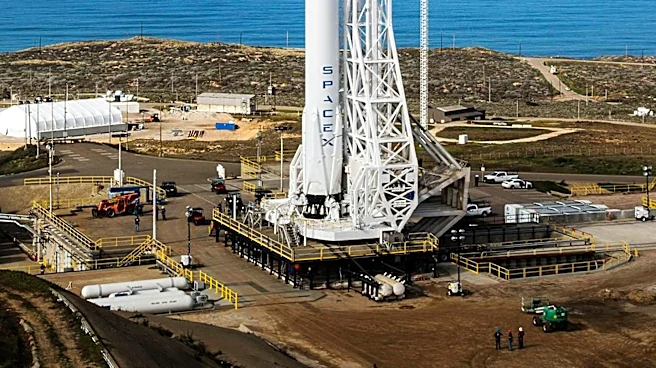
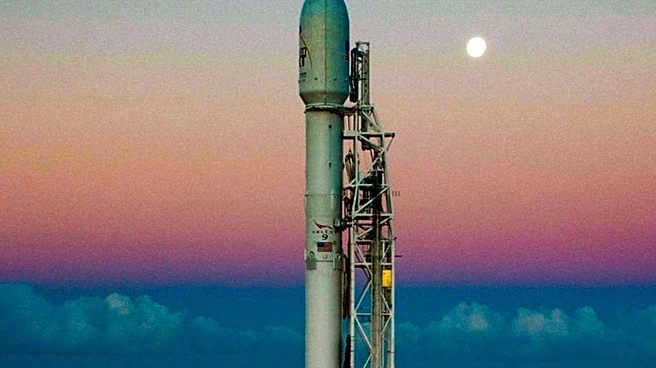
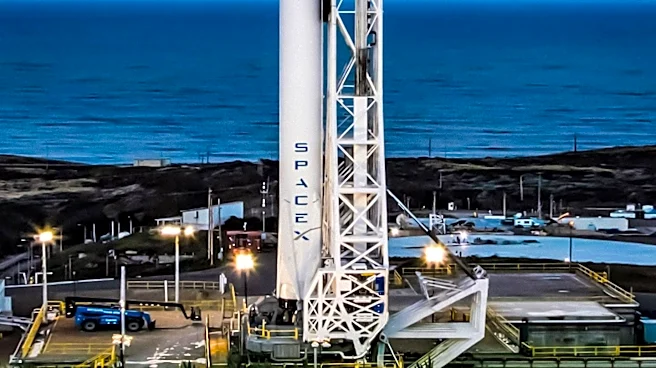
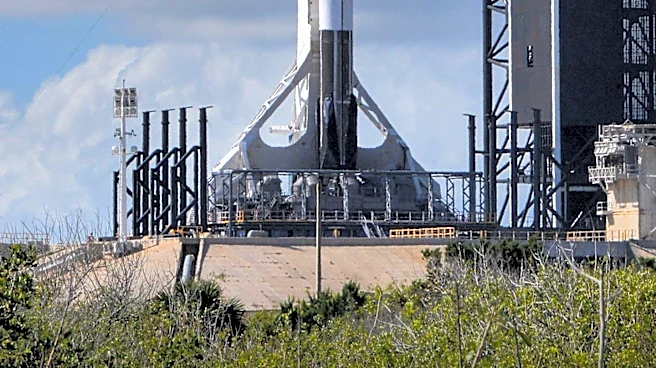
SpaceX's Falcon 9 rocket successfully launched 24 Starlink satellites into orbit from Vandenberg Space Force Base, California, following a rare launch abort. The initial attempt on July 20 was scrubbed due to an unexpected engine cutoff, but the issue
was resolved, allowing for a successful liftoff on July 21. The Starlink satellites are part of SpaceX's global internet network, providing connectivity to remote areas and enabling in-flight wifi and direct-to-cell services. The launch marks SpaceX's 85th Falcon 9 mission of the year.
Why It's Important?
The successful launch of Starlink satellites demonstrates SpaceX's resilience and ability to address technical challenges swiftly. The expansion of the Starlink network enhances global internet access, particularly in underserved regions, contributing to digital inclusion and connectivity. SpaceX's continued success in launching satellites also underscores its leadership in the commercial space industry, as it advances its ambitious goals for satellite internet and space exploration.
What's Next?
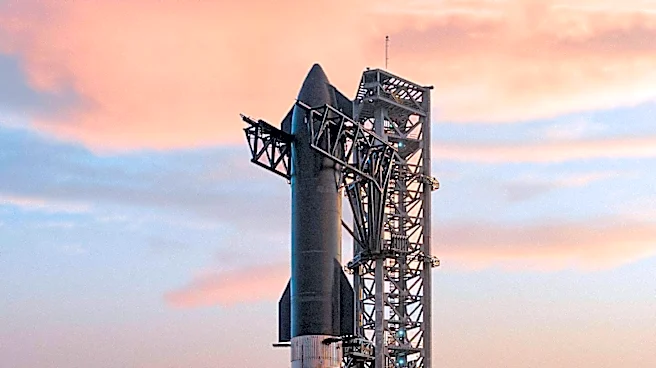
SpaceX will continue to deploy Starlink satellites to expand its network and improve service coverage. The company is also preparing for its next Starship test flight, rescheduled for July 23, following a similar last-second abort. As SpaceX progresses with its satellite and rocket launches, it will focus on refining its technology and operations to support future missions and commercial ventures.
Beyond the Headlines
The launch highlights the importance of innovation and adaptability in the space industry, as companies like SpaceX navigate technical challenges to achieve their goals. The expansion of satellite internet services has broader implications for global connectivity, economic development, and access to information. SpaceX's efforts contribute to the growing influence of private companies in shaping the future of space exploration and technology.