



What's Happening?
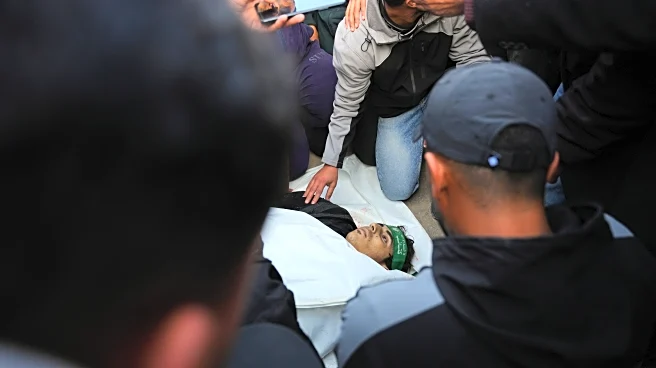
The mental health crisis among children in Gaza remains severe, exacerbated by ongoing conflict and instability. Psychologist Nisreen Qawas highlights the traumatic experiences faced by children, including exposure to violence, displacement, and loss
of family members. The story of Hind Rajab, a five-year-old girl who died amidst conflict, underscores the dire situation. Mental health services are scarce, and many children lack access to basic needs, education, and psychological support. The Palestine Red Crescent Society is working to provide aid, but challenges persist due to the volatile environment.
Why It's Important?
The mental health crisis in Gaza has long-term implications for the region's future. The psychological trauma experienced by children can lead to lasting effects on their development and well-being. Without adequate support and intervention, an entire generation may face significant mental health challenges, impacting their ability to contribute to society. The situation calls for urgent international attention and action to address the humanitarian needs and ensure the protection of children's rights in conflict zones.
What's Next?
Immediate steps are needed to establish a ceasefire and restore stability in Gaza. This should be followed by rebuilding healthcare and education systems, with a focus on mental health support. International organizations and governments must prioritize these efforts to prevent further deterioration of the situation. Long-term solutions require sustained investment in infrastructure and services to support the well-being of children and families in Gaza.
Beyond the Headlines
The crisis in Gaza highlights broader issues of conflict and its impact on vulnerable populations. It raises ethical questions about the responsibility of the international community to protect children in war zones and the need for comprehensive peace-building efforts. The psychological toll on children in Gaza serves as a reminder of the human cost of conflict and the importance of prioritizing humanitarian aid and mental health in global policy discussions.