



What's Happening?
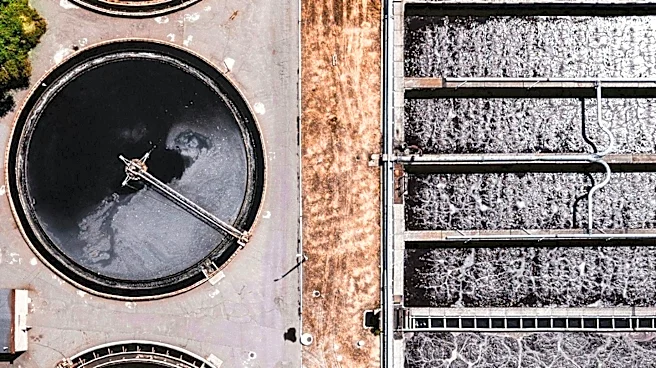
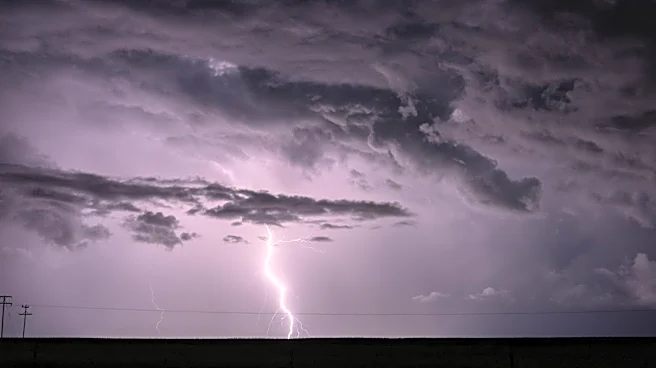
Tens of thousands of St. Louis residents across 26 neighborhoods are under a boil water advisory due to a power loss at the Chain of Rocks water treatment plant. The outage occurred overnight during severe weather, causing a significant drop in water pressure
below safety requirements. This reduction in pressure raises concerns about potential contamination of the water supply. Spencer Gould, Deputy Commissioner of Water for the City of St. Louis Water Division, stated that the advisory was issued out of an abundance of caution, particularly for immunocompromised individuals. This marks the second such incident this summer at the Chain of Rocks plant, with the previous advisory issued on June 30 due to a pump malfunction.
Why It's Important?
The recurring boil water advisories in St. Louis highlight critical issues with aging infrastructure and its direct impact on public health and daily life. The Chain of Rocks water treatment plant, which has experienced two pressure losses this summer, shows signs of corrosion, rusty pipes, and leaks, indicating a need for significant investment and upgrades. For residents, these advisories disrupt routines, necessitate extra precautions for drinking and cooking, and can lead to concerns about water safety. For businesses, especially those in the food service industry, such advisories can result in operational challenges and potential financial losses. The frequency of these incidents underscores a broader national challenge of maintaining and modernizing essential public utilities to ensure reliable and safe services.
What's Next?
Water sample results are anticipated early tomorrow morning. If these results are normal, the boil water advisory will be lifted. However, if contamination is detected, the advisory will be extended, and further testing will be conducted. The City of St. Louis Water Division is actively working on a capital improvement plan and a master plan to address the reliability issues at the Chain of Rocks treatment plant. Deputy Commissioner Spencer Gould expressed hope that implementing these improvements will enhance the plant's ability to maintain reliable service. Residents and businesses in the affected areas will need to continue boiling their water until the advisory is officially lifted, relying on updates from the Water Division.
Beyond the Headlines
The repeated failures at the Chain of Rocks water treatment plant point to a systemic issue of underinvestment in public infrastructure across many U.S. cities. Beyond the immediate inconvenience, aging water systems pose long-term health risks and economic burdens. The need for a comprehensive capital improvement plan suggests that the problem is not merely a series of isolated incidents but rather a symptom of deferred maintenance and insufficient modernization. This situation could trigger broader discussions about federal and state funding for infrastructure projects, the role of public utilities in ensuring essential services, and the potential for innovative solutions to address these challenges. The community's growing frustration, with some businesses installing their own filtration systems, reflects a loss of trust in public services and a potential shift towards private solutions if reliability issues persist.