


What's Happening?
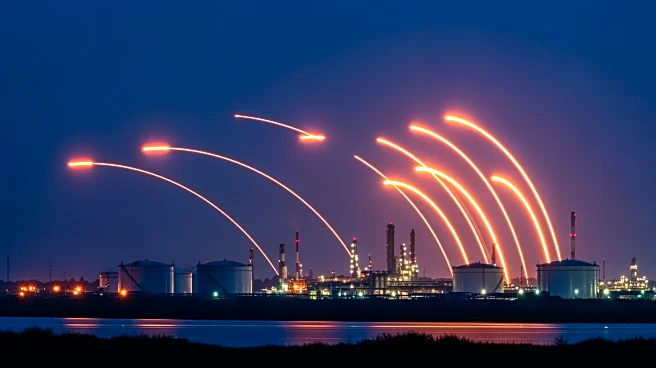
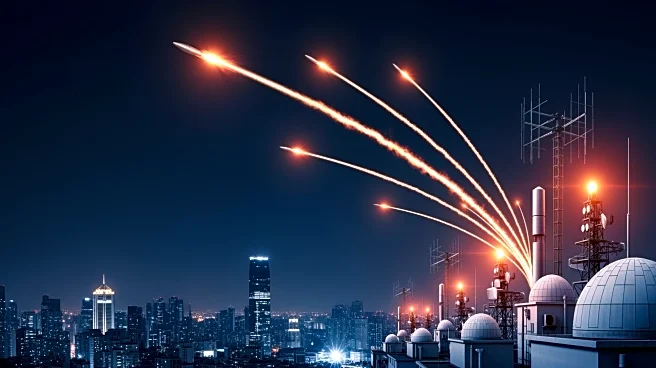
Iran has declared its intention to continue exercising its right to self-defense in response to what it describes as military aggression by the United States and Israel. According to a statement from Iran's Ministry of Foreign Affairs, the joint military actions
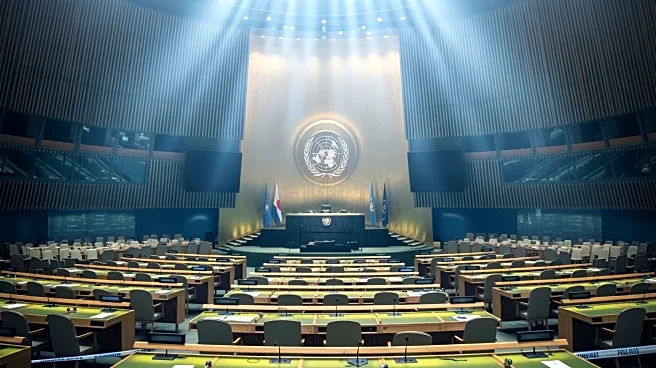
began on February 28 with the killing of Supreme Leader Ayatollah Ali Khamenei and several senior Iranian officials. The attacks have reportedly targeted both military and civilian infrastructure, including schools, hospitals, and public service institutions. Iran claims these actions violate its territorial integrity and sovereignty, citing Article 51 of the United Nations Charter to justify its defensive measures. The statement also references UN General Assembly Resolution 3314, which outlines the definition of military aggression, emphasizing that states must prevent their territories from being used for such acts.
Why It's Important?
This development highlights escalating tensions in the Middle East, with significant implications for regional stability and international relations. The conflict could impact global oil markets, given Iran's role as a major oil producer. Additionally, the situation may strain diplomatic relations between Iran and countries hosting US military bases, potentially affecting regional alliances. The ongoing conflict underscores the challenges faced by international bodies like the United Nations in mediating and resolving such disputes. The situation also raises concerns about the potential for broader military engagement, which could involve other regional and global powers, thereby affecting international peace and security.
What's Next?
Iran's statement suggests that it will continue its defensive operations until the perceived aggression ceases or the UN Security Council takes action to identify and address the aggressors. This could lead to further military engagements in the region, potentially drawing in additional international actors. The UN Security Council may face increased pressure to intervene and mediate the conflict, although achieving consensus among its members could be challenging. Regional countries may also reassess their security policies and alliances in light of the ongoing tensions, potentially leading to shifts in regional power dynamics.
Beyond the Headlines
The conflict raises important questions about the application of international law in modern warfare, particularly regarding state sovereignty and the use of force. It also highlights the ethical and humanitarian implications of military actions that affect civilian populations. The situation may prompt discussions about the role of international organizations in conflict resolution and the effectiveness of existing legal frameworks in addressing state aggression. Additionally, the conflict could influence public opinion and political discourse within the involved countries, potentially affecting domestic policies and leadership.