


What's Happening?
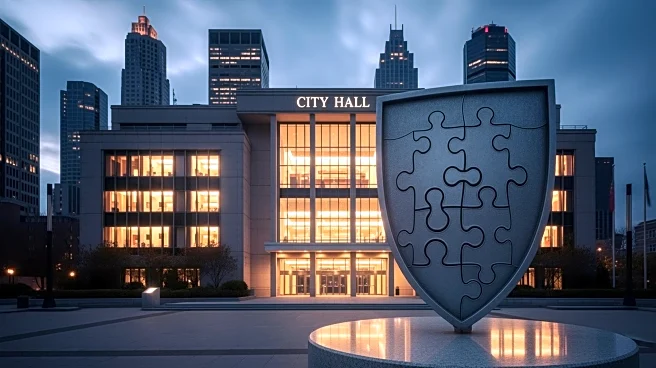
In 1985, Chicago Mayor Harold Washington signed an executive order that significantly altered the city's approach to immigration enforcement. The order ended the practice of city agencies cooperating with federal immigration authorities, particularly
inquiring about the U.S. citizenship status of job and license applicants. This move was part of a broader effort by Mayor Washington to protect immigrant communities in Chicago and ensure that city services were accessible to all residents, regardless of their immigration status. The decision was a landmark moment in the city's history, reflecting a shift towards more inclusive policies and setting a precedent for other cities across the United States.
Why It's Important?
Mayor Washington's executive order was a pivotal moment in the history of immigration policy at the municipal level in the United States. By halting cooperation with federal immigration authorities, Chicago positioned itself as a sanctuary city, prioritizing the protection and integration of immigrant communities. This policy shift had significant implications for the city's social fabric, fostering a more inclusive environment and encouraging other cities to adopt similar stances. The decision also highlighted the growing tension between local and federal authorities over immigration enforcement, a debate that continues to shape U.S. politics and policy today. The move was seen as a step towards ensuring that all residents, regardless of their immigration status, could access city services without fear of deportation or discrimination.
What's Next?
The legacy of Mayor Washington's decision continues to influence immigration policy in Chicago and beyond. As debates over immigration enforcement and sanctuary cities persist, Chicago's stance serves as a model for other municipalities seeking to protect immigrant communities. Future policy discussions may focus on balancing local autonomy with federal immigration laws, as well as addressing the needs of undocumented residents. The ongoing dialogue around sanctuary cities is likely to remain a contentious issue in U.S. politics, with potential legal challenges and legislative actions shaping the future landscape of immigration policy.