






What's Happening?
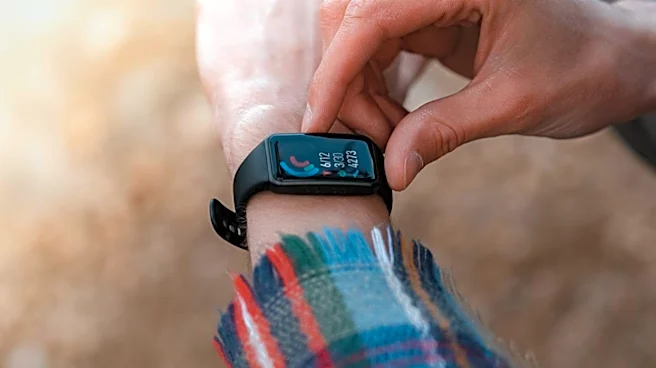
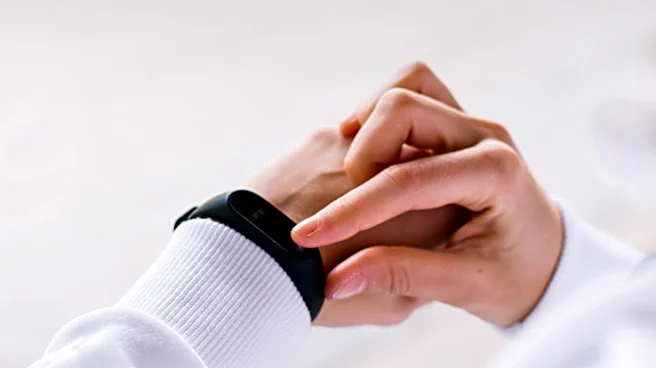
Researchers at Children's Hospital of Philadelphia have created a new machine learning tool designed to more accurately distinguish between sleep and quiet wakefulness in children. This development addresses a long-standing limitation of traditional wrist-worn
actigraphy, which often misinterprets a child's stillness as sleep. The research team trained seven machine learning models using pediatric data, with a long short-term memory (LSTM) classifier proving most effective. This LSTM classifier outperformed existing sleep-scoring algorithms and models trained on adult data, highlighting the necessity for sleep-tracking tools specifically validated for children. The study involved 65 children participating in overnight sleep studies, each wearing a sensor on their non-dominant wrist, providing a reliable benchmark for testing the models. This research was funded by the Eunice Kennedy Shriver National Institute of Child Health and Human Development, part of the National Institutes of Health.
Why It's Important?
Accurate sleep tracking in children is crucial due to sleep's profound impact on their attention, mood, learning, and overall physical health. Current methods, such as wrist-worn trackers, often fail to differentiate between a child genuinely sleeping and one who is simply lying still, leading to inaccurate data. This new AI tool offers a significant improvement by providing more precise measurements of sleep duration and wakefulness during the night. Such accuracy can help medical professionals and researchers better understand and diagnose pediatric sleep problems, including the time it takes for a child to fall asleep and the frequency of nighttime awakenings. The ability to monitor sleep accurately in a child's own bedroom, rather than solely in a sleep lab, could also make sleep assessments more accessible and less disruptive for families, potentially leading to earlier interventions for sleep-related issues.
What's Next?
While the new AI tool shows promising results in lab settings, researchers acknowledge that further testing is required before it can be widely implemented. Experts caution that real-life conditions, such as naps, restless nights, or devices not being worn consistently, can introduce complexities not always present in controlled lab environments. The next steps will likely involve validating the tool's effectiveness in diverse home settings to ensure its reliability and practicality for everyday use. Additionally, the researchers will need to address how to integrate this technology into existing wearable devices or develop new ones specifically optimized for pediatric sleep monitoring. Successful widespread adoption could lead to improved diagnostic capabilities for pediatric sleep disorders and more personalized interventions for children struggling with sleep issues.
Beyond the Headlines
The development of this AI tool underscores a broader trend in healthcare: the increasing use of artificial intelligence and machine learning to personalize medical diagnostics and treatments. By creating algorithms specifically tailored to pediatric data, this research highlights the limitations of applying adult-centric models to children, whose physiological patterns can differ significantly. This approach could pave the way for more age-specific medical technologies across various health domains. Furthermore, the ability to accurately track sleep at home using wearable devices could empower parents and healthcare providers with actionable data, fostering a more proactive approach to children's health. It also raises ethical considerations regarding data privacy and security for minors, which will need to be carefully addressed as such technologies become more prevalent in daily life.