


What's Happening?
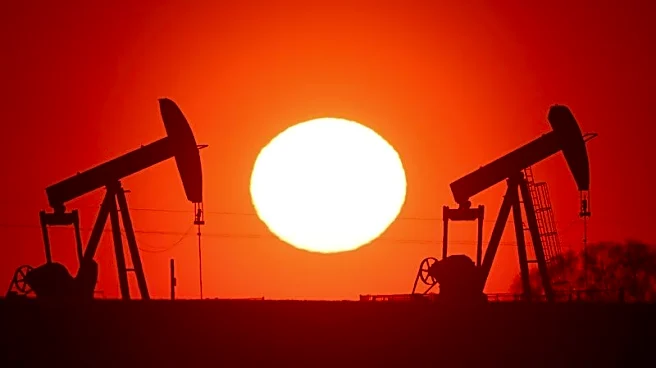
Oil prices experienced a decline on Monday, following significant gains last week, as investors awaited details regarding a U.S. plan to impose substantial economic pressure on Iran. This development comes as the conflict in the Middle East continues
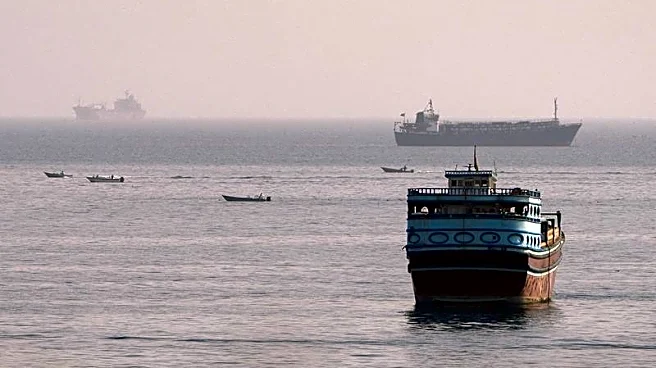
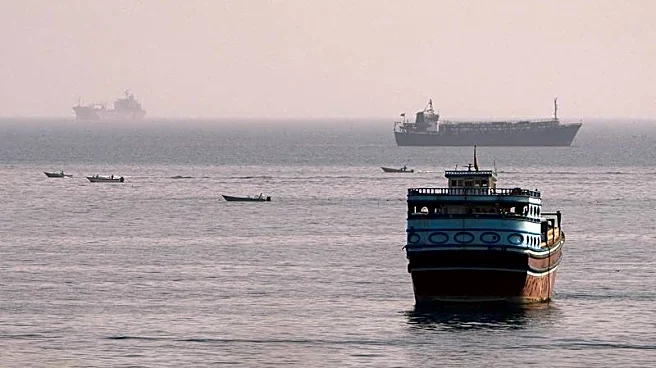
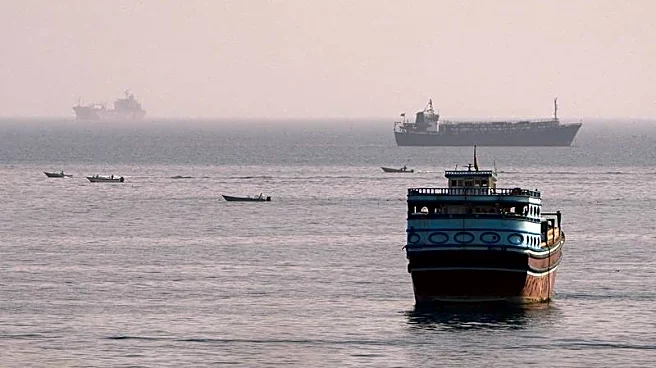
without a clear resolution for reopening the Strait of Hormuz. U.S. Treasury Secretary Scott Bessent is scheduled to hold a press conference to outline new actions against Tehran. Bessent described Washington's initiative as the "single greatest financial offensive marshalled against an adversary," referring to it as an "economic D-Day." Both main crude contracts saw a decrease of approximately two percent, though the Brent benchmark remained above $92 a barrel after a more than seven percent jump the previous week.
Why It's Important?
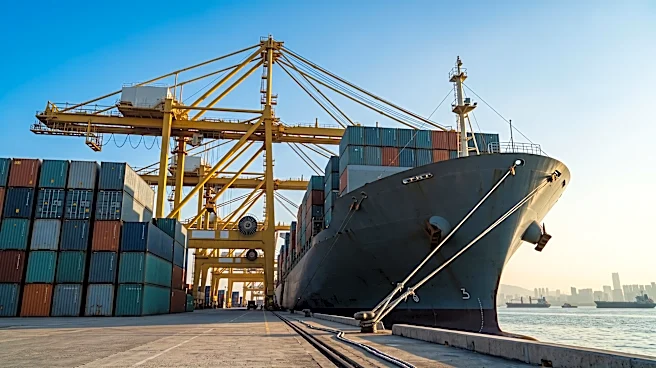
The U.S. pledge of an "economic war" on Iran signifies a significant shift in strategy, moving from potential military action to intensified financial sanctions. This approach aims to isolate Iran's economy and pressure it to de-escalate the Middle East conflict, particularly concerning the crucial Strait of Hormuz, a vital chokepoint for global oil shipments. The immediate impact on oil prices reflects market uncertainty and the potential for disruption or, conversely, a perceived reduction in immediate military risk. While some analysts suggest relief that threats have shifted from military strikes to sanctions, there is little confidence that a peace deal will emerge soon. The effectiveness of these "super sanctions" will depend on the willingness of U.S. allies and countries like China to comply, which could have far-reaching implications for global trade and energy markets.
What's Next?
The upcoming press conference by U.S. Treasury Secretary Scott Bessent will provide crucial details on the scope and nature of the new economic measures against Iran. The market will closely monitor these announcements for their potential impact on global oil supply and demand. The U.S. will be actively engaging with allies and China to encourage their participation in isolating Iran's economy. The response from these international actors will be critical in determining the efficacy of the proposed sanctions. Furthermore, the ongoing conflict in the Middle East and any developments regarding the Strait of Hormuz will continue to influence oil price volatility. Traders will also be looking to the annual gathering of central bankers and finance chiefs in Jackson Hole for insights into U.S. monetary policy, which could indirectly affect commodity markets.
Beyond the Headlines
The U.S. decision to launch an "economic D-Day" against Iran highlights the increasing use of financial warfare as a primary tool in international relations. This strategy, while potentially avoiding direct military confrontation, carries significant risks, including the possibility of escalating economic tensions and unintended consequences for global markets. The effectiveness of such a comprehensive financial offensive depends heavily on international cooperation, which may be challenging given differing national interests. The long-term implications could include a re-evaluation of global supply chains and energy security strategies as nations seek to mitigate risks associated with geopolitical instability. This approach also raises ethical questions about the impact of broad economic sanctions on civilian populations and the potential for humanitarian crises, even as the stated goal is to achieve political objectives.