
What's Happening?
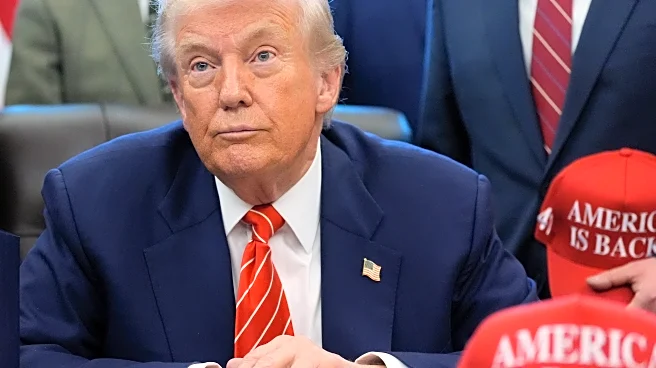
President Trump has issued a directive for the United States to withdraw from 66 multilateral institutions, including key UN bodies focused on Africa. This decision, part of a broader foreign policy strategy
prioritizing national sovereignty and domestic interests, involves ceasing participation and funding to entities like the UN Economic and Social Council’s Economic Commission for Africa. These institutions have historically played significant roles in shaping international approaches to Africa's development and social justice. The move aligns with Trump's second-term policies, which emphasize reducing U.S. involvement in international organizations perceived to dilute American influence.
Why It's Important?
The withdrawal from these UN bodies could significantly alter the dynamics of international development and diplomacy in Africa. The U.S. has been a major contributor to these institutions, and its exit may lead to reduced funding and influence, potentially affecting Africa's economic growth and social justice initiatives. This decision may also signal a shift in U.S. foreign policy towards a more isolationist stance, impacting global perceptions of American leadership. African governments might face challenges in addressing rising debt, security issues, and economic instability without U.S. support in these multilateral platforms.
What's Next?
The U.S. withdrawal could prompt other nations to reassess their roles in these institutions, potentially leading to a reconfiguration of international support for Africa. African countries may seek new alliances or strengthen existing ones to fill the void left by the U.S. exit. Additionally, this move might influence future U.S. foreign policy decisions, particularly regarding multilateral engagement and international cooperation. The long-term effects on Africa's development and the global geopolitical landscape remain to be seen.