








What's Happening?
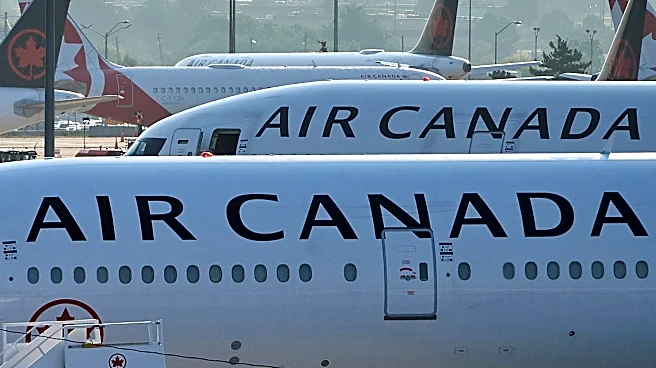
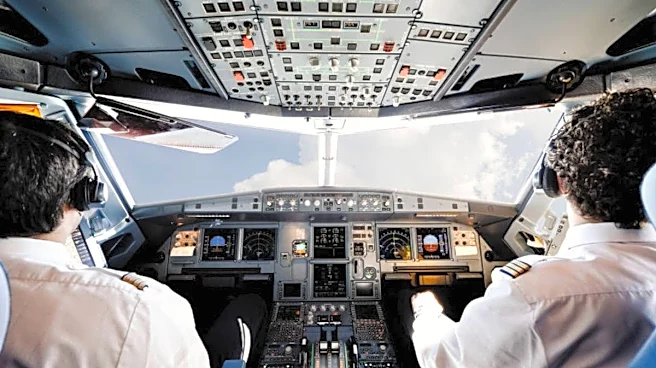
Geoffrey Wall, a former Air Canada pilot, has been charged with fraud, forgery, and public mischief after allegedly flying for nearly 17 years without the necessary Airline Transport Pilot License required to transport passengers as a captain. Wall, who
was employed by Air Canada for 27 years, was promoted to captain in 2009 and flew over 900 flights on Boeing 767, 777, and 787 jets. The investigation, named 'Project Icarus,' revealed that Wall used counterfeit government-issued pilot licenses and documentation. He was discovered during a routine evaluation that flagged anomalies in his credentials. Air Canada has stated that Wall is no longer employed with the airline, having retired in 2025, and emphasized that safety was not compromised due to mandatory recurrent training for all pilots.
Why It's Important?
This incident underscores the critical importance of stringent licensing and regulatory compliance in the aviation industry. The revelation that a pilot could operate for such an extended period without the proper credentials raises concerns about oversight mechanisms within airlines and regulatory bodies. While Air Canada has assured that safety was maintained through regular training and checks, the case highlights potential vulnerabilities in the system that could have broader implications for passenger safety and trust in air travel. The financial implications are also significant, as Wall allegedly earned over $2.9 million while fraudulently flying as a captain, which could lead to legal and financial repercussions for both the individual and potentially the airline.
What's Next?
Wall has been conditionally released and is scheduled to appear in court on June 29. The case may prompt Air Canada and other airlines to review and possibly tighten their credential verification processes to prevent similar incidents. Regulatory bodies might also consider revising their oversight procedures to ensure compliance and enhance safety measures. The outcome of the court proceedings could set a precedent for how such cases are handled in the future, potentially influencing policy changes within the aviation industry.