




What's Happening?
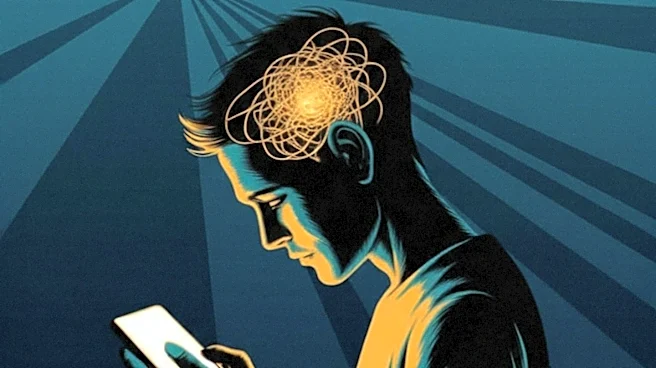
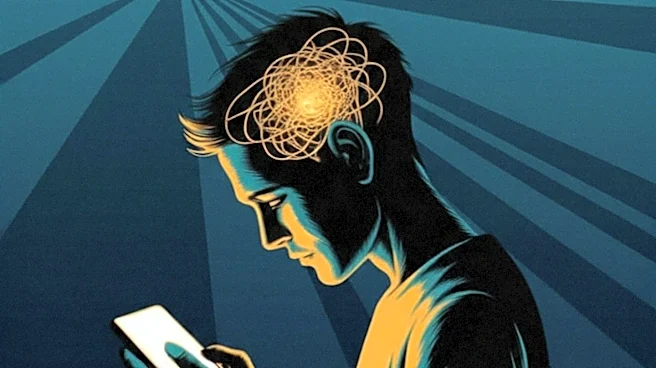
A 2026 survey indicates that 64% of U.S. adults estimate spending at least five hours daily looking at screens, with 10% reporting over 12 hours. These self-reported figures highlight a pervasive reliance on digital devices. Federal data from the Bureau
of Labor Statistics in 2025 shows individuals aged 15 and older averaged 2.6 hours of television viewing and 37 minutes on games or computers for leisure. However, these federal statistics do not encompass all smartphone activity or work-related screen use, suggesting the total screen time could be higher. The American Academy of Ophthalmology distinguishes temporary digital eye discomfort from permanent eye damage, noting that routine computer and smartphone use has not been proven to permanently harm the retina. Despite this, research from February 2025 published in JAMA Network Open found an association between increased digital screen exposure in children and higher odds of myopia, or nearsightedness.
Why It's Important?
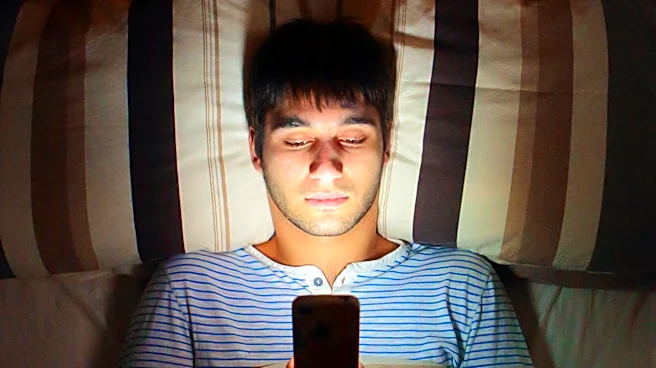
The extensive screen time reported by Americans has significant implications for public health, particularly concerning ocular well-being. While the American Academy of Ophthalmology clarifies that most digital eye discomfort is temporary, the sheer volume of daily screen exposure could contribute to widespread issues like dry eyes, irritation, and fluctuating vision due to reduced blinking rates. For children, the association between increased screen time and myopia raises concerns about long-term vision health and the potential need for corrective lenses at younger ages. This trend could lead to increased demand for ophthalmological services and vision correction products. Furthermore, late-evening screen use can disrupt sleep patterns, affecting overall health and productivity. The findings underscore a growing public health challenge that requires awareness and potential behavioral adjustments across various demographics.
What's Next?
To mitigate the potential negative effects of prolonged screen time, the American Academy of Ophthalmology recommends several practical adjustments. These include taking regular breaks, consciously blinking more often, positioning screens at an arm's length, and reducing glare. Adjusting screen brightness to match room lighting and using artificial tears for dryness are also suggested. The '20-20-20 rule'—looking at something 20 feet away for 20 seconds every 20 minutes—is a simple habit to interrupt sustained near-focus work. For persistent symptoms like dryness, pain, light sensitivity, or blurred vision, medical evaluation is advised. The ongoing research into the long-term effects of screen time, especially on children's vision, will continue to inform public health guidelines and recommendations, potentially leading to more specific advice for different age groups and occupations.
Beyond the Headlines
The widespread integration of digital screens into daily life extends beyond mere convenience, influencing societal norms and individual habits. The distinction between temporary discomfort and permanent damage is crucial for public understanding, preventing undue alarm while still promoting healthy practices. The rise in childhood myopia linked to screen time highlights a broader concern about developmental impacts in an increasingly digital world. This could prompt discussions on educational policies regarding screen use in schools and parental guidance on managing children's digital engagement. The market for blue-light filtering glasses, despite not being recommended by the American Academy of Ophthalmology for preventing eye disease, illustrates the public's proactive search for solutions, even if not scientifically validated. This situation underscores the need for clear, evidence-based communication from health authorities to guide consumer choices and public behavior effectively.