




What's Happening?
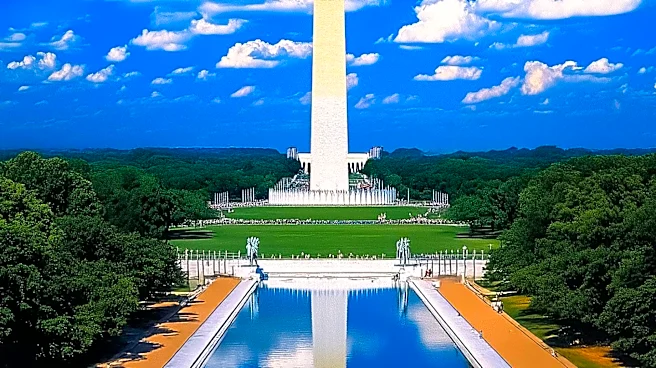
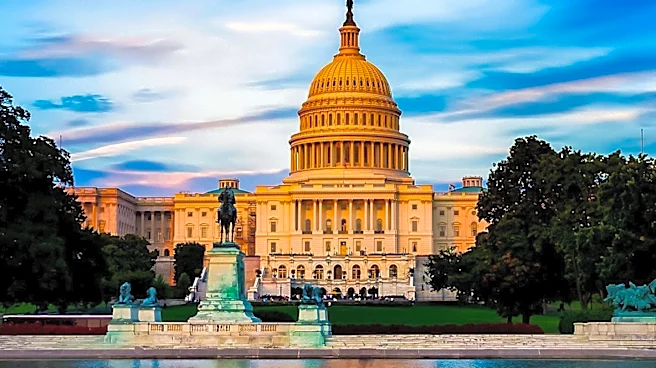
Congresswoman Jen Kiggans of Virginia, alongside Congressman Don Davis of South Carolina, has introduced legislation to authorize the placement of the National Service Animals Monument within the Reserve in Washington, D.C. This monument aims to honor
the contributions of various service animals, including working dogs, assistance animals, war horses, and dolphins, by placing them within the broader narrative of American service and sacrifice. The project is currently in its site selection and fundraising phase. The monument will feature interpretive elements, such as engraved plaques and a mobile experience, to share true stories of these animals and their critical roles throughout U.S. history. The initiative seeks to create a powerful and enduring national experience that celebrates the extraordinary human-animal bond.
Why It's Important?
The proposed National Service Animals Monument holds significant cultural and historical importance for the United States. By authorizing its placement in Washington, D.C., Congresswoman Kiggans' legislation acknowledges the often-overlooked contributions of service animals to national defense, public safety, and the well-being of individuals. This recognition elevates the status of these animals and their handlers, fostering greater public appreciation for their sacrifices and service. The monument will serve as an educational tool, preserving and sharing stories of heroism and dedication, thereby enriching the national narrative of service. For veterans, individuals with disabilities, and animal welfare advocates, the monument represents a profound validation of the bond between humans and animals, potentially inspiring further support for service animal programs and related legislation. Its location within the commemorative core of Washington, D.C., ensures its visibility and impact on a national scale.
What's Next?
Following the introduction of the legislation by Congresswoman Jen Kiggans and Congressman Don Davis, the bill will proceed through the legislative process, requiring approval from both the House and Senate before potentially being signed into law. Concurrently, the National Service Animals Monument project will continue its site selection and fundraising efforts. Public awareness campaigns and advocacy will likely increase to garner support for the monument's construction and ensure its successful realization. Once authorized, the focus will shift to the design and construction phases, with ongoing efforts to collect and curate the stories of service animals for the interpretive elements. The monument's eventual completion will mark a significant milestone in recognizing the diverse forms of service and sacrifice that have shaped American history.
Beyond the Headlines
The initiative to establish a National Service Animals Monument delves into deeper societal values beyond mere recognition. It highlights the evolving understanding of companionship, loyalty, and the profound impact animals have on human lives, particularly in roles of service and support. Ethically, it prompts reflection on the welfare and treatment of animals engaged in demanding service roles, potentially influencing policies related to their training, care, and retirement. Culturally, the monument could foster a greater sense of empathy and respect for all animals, challenging anthropocentric views and promoting a more inclusive historical narrative. The project also underscores the power of collective memory and how national monuments serve as tangible symbols of shared values, shaping public consciousness and inspiring future generations to appreciate the diverse contributions to the nation's fabric. This monument could catalyze broader discussions about animal rights, the human-animal bond, and the definition of heroism in a modern context.