







What's Happening?
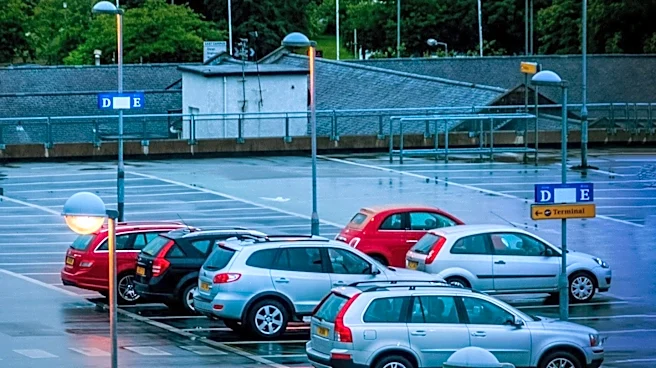
Watertown International Airport, located in the Town of Hounsfield, New York, is exploring the possibility of ending its long-standing free parking policy. Jefferson County's proposed capital budget plan includes a line item for airport parking lot revenue
equipment, indicating a move towards charging for parking. This consideration stems from issues such as people leaving their vehicles at the airport for extended periods, sometimes months, taking advantage of the free parking. Ryan Piche, Jefferson County administrator, noted that this practice is problematic. The proposed project would involve installing security fencing and automated parking equipment, aiming to generate revenue, manage facilities more effectively, and reduce staffing needs. Grant Sussey, director of aviation at Watertown International Airport, emphasized that while the plan is currently aspirational and not finalized, it is a responsible consideration for the future capital plan. If implemented, the fees would be nominal and would contribute to the upkeep and maintenance of the parking facilities, including paving and lighting. The cost of the project, if it proceeds, would likely be shared between Jefferson County and New York State, with a target implementation year of 2030.
Why It's Important?
The potential introduction of parking fees at Watertown International Airport marks a significant shift in its operational model, impacting local travelers and the airport's financial sustainability. For frequent flyers and residents who rely on the airport, the change could introduce new travel costs, potentially affecting their choice of airport, though officials suggest fees would be nominal. The move is crucial for the airport's long-term viability, as it aims to generate revenue to cover maintenance and operational costs, which are currently a burden on county resources. This initiative also addresses the issue of prolonged vehicle storage, which can strain parking capacity and security. By implementing automated systems, the airport seeks to improve efficiency, enhance security through fencing, and potentially reduce labor costs associated with manual parking management. This decision reflects a broader trend among regional airports to find sustainable funding models beyond direct taxpayer subsidies, ensuring continued investment in infrastructure and services.
What's Next?
The proposal to implement parking fees at Watertown International Airport is currently part of Jefferson County's proposed capital budget plan, making it an aspirational project rather than a finalized decision. Further discussions and approvals will be required from county and state officials before any concrete steps are taken. If the plan moves forward, the airport would proceed with installing security fencing and automated parking equipment, with a projected implementation year of 2030. This timeline suggests a gradual transition, allowing for planning, procurement, and construction phases. Stakeholders, including local residents and frequent travelers, will likely have opportunities to provide feedback as the proposal progresses. The airport administration will need to determine the specific fee structure, ensuring it remains nominal as suggested, to balance revenue generation with maintaining the airport's attractiveness as a local flying option. The cost-sharing agreement between the county and the state will also need to be formalized.
Beyond the Headlines
The debate over free versus paid parking at public facilities like airports often reflects a tension between public service and financial sustainability. While free parking is a convenience that attracts users, it can lead to underfunded maintenance and misuse, as seen with vehicles left for months. The shift to paid parking, even if nominal, signals a move towards a user-pays model, common in many public services, which aims to distribute costs more directly to those who benefit. This decision could also influence local transportation patterns, potentially encouraging ride-sharing or public transport options if parking fees become substantial. Furthermore, the investment in automated parking systems and security fencing highlights a broader trend in infrastructure management towards technology-driven solutions for efficiency and safety. This move could serve as a case study for other smaller regional airports grappling with similar financial and operational challenges, demonstrating how they can adapt to ensure long-term viability while managing public expectations.