






What's Happening?
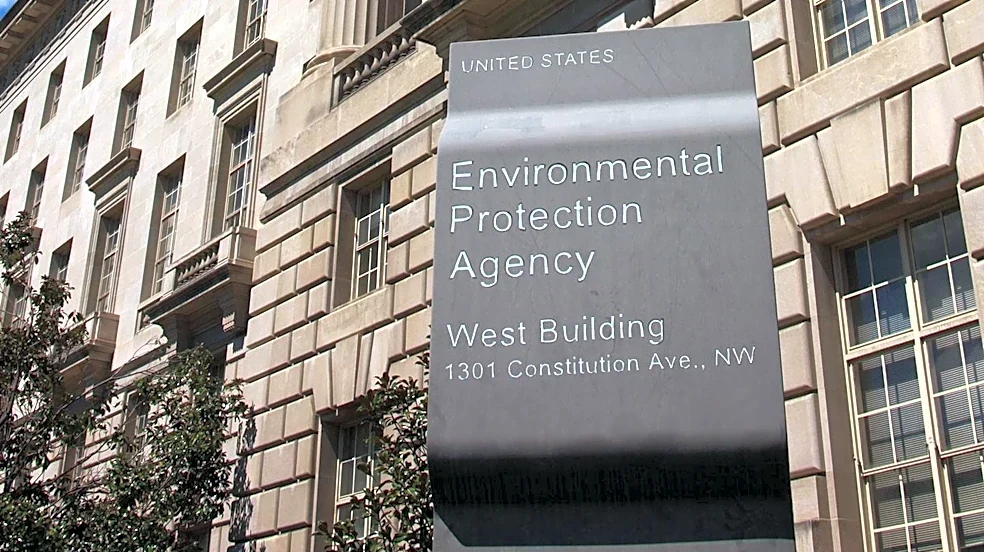
The U.S. Department of Energy has announced approximately $967 million in additional funding to enhance electricity infrastructure across the nation. This funding, distributed through the Grid Resilience State and Tribal Formula Grant program, aims to support
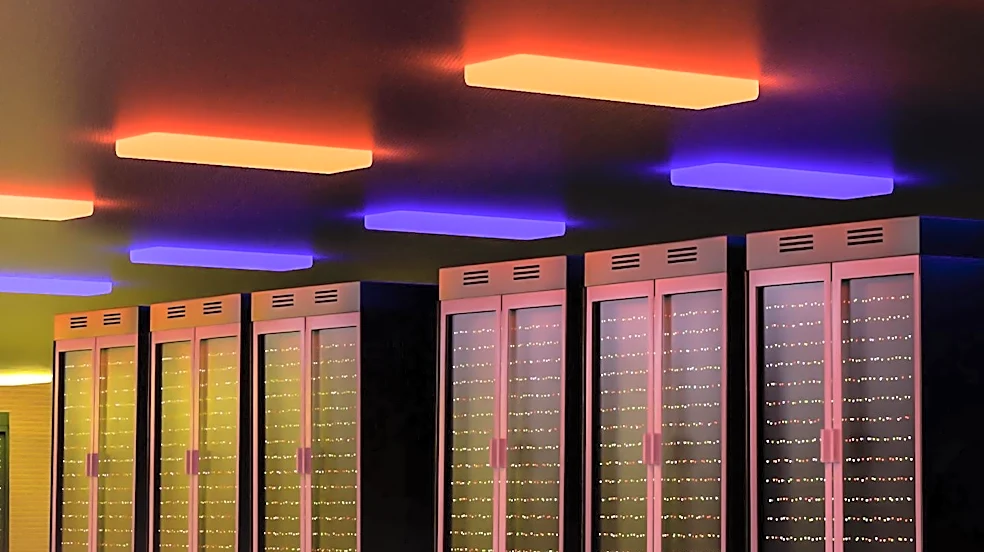
improvements undertaken by states, territories, and tribal nations. This initiative addresses the increasing pressure on utilities to maintain aging infrastructure while accommodating rising electricity demand from data centers, manufacturing facilities, industrial expansion, and electrification. The announcement follows a separate Department of Energy initiative in September, which provided about $1.9 billion in federal support for transmission modernization projects across 26 states. These combined efforts highlight the significant investment required to modernize the country's electricity delivery system, ensuring reliable and affordable power for American households and businesses.
Why It's Important?
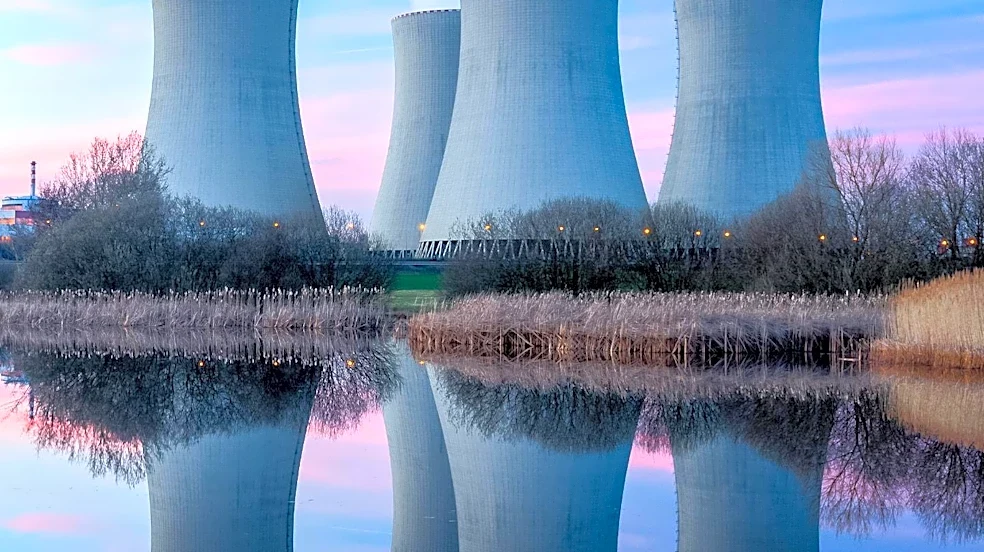
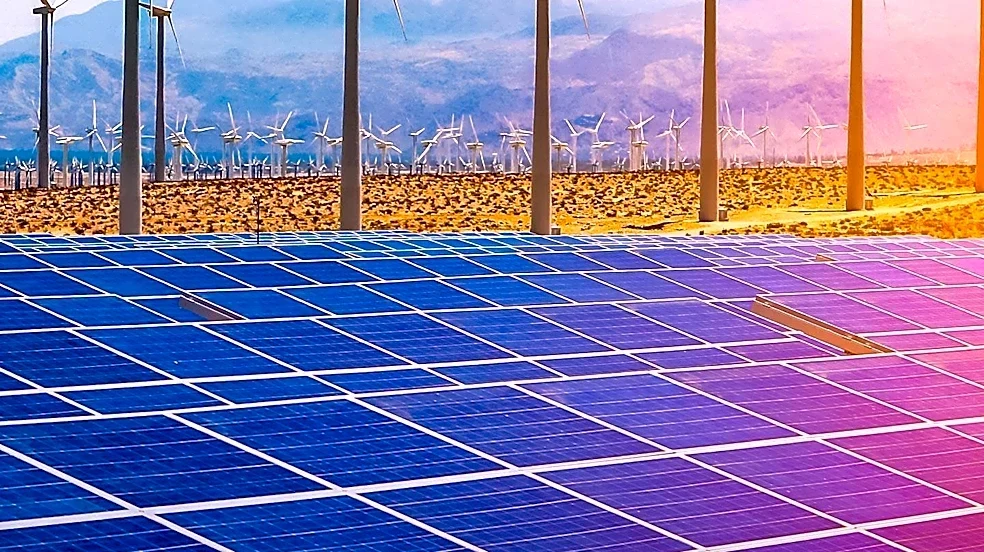
This substantial federal investment is crucial for the stability and growth of the U.S. economy. Adequate transmission lines, substations, distribution networks, and grid management systems are essential for reliably delivering electricity to consumers and supporting new generation capacity. Without these improvements, infrastructure constraints can lead to higher electricity costs and hinder economic growth. For energy investors, this funding underscores the distinction between generating electricity and effectively delivering it. Utilities stand to benefit from reduced equipment failures, strengthened resilience during severe weather events, and improved connections for additional electricity generation from various sources, including natural gas, nuclear, and renewables. The modernization efforts are vital for maintaining affordable electricity, supporting industrial development, and expanding domestic energy production.
What's Next?
The allocated funds will be distributed to states, territories, and tribal nations through the Grid Resilience State and Tribal Formula Grant program, enabling them to implement critical infrastructure improvements. Utilities will likely focus on projects that enhance grid resilience, reduce equipment failures, and support new electricity generation connections. The success of these initiatives will depend on effective project execution, managing construction costs, navigating permitting requirements, and adhering to utility planning timelines. While these investments are expected to improve grid reliability, the impact on customer bills will be influenced by project costs, financing arrangements, operating savings, and regulatory decisions. The ongoing modernization efforts will continue to shape the broader energy industry, potentially creating opportunities for natural gas producers, midstream operators, equipment manufacturers, engineering contractors, and electrical infrastructure suppliers.
Beyond the Headlines
The continuous need for significant investment in grid infrastructure points to a long-term challenge in balancing energy demand with reliable supply. The increasing reliance on electricity for various sectors, coupled with the integration of diverse energy sources, necessitates a robust and adaptable grid. This federal funding not only addresses immediate infrastructure needs but also sets a precedent for future investments in energy resilience. The emphasis on state and tribal programs suggests a decentralized approach to grid modernization, allowing for tailored solutions to regional challenges. This could foster innovation at the local level and encourage collaboration between different stakeholders. The broader implication is a shift towards a more resilient, efficient, and sustainable energy future for the U.S., critical for national security and economic competitiveness.