



What's Happening?
The United States has lost its measles elimination status, a designation it had maintained for over a quarter-century. This setback follows a series of outbreaks over the past two years, which have infected thousands of individuals nationwide. The Pan
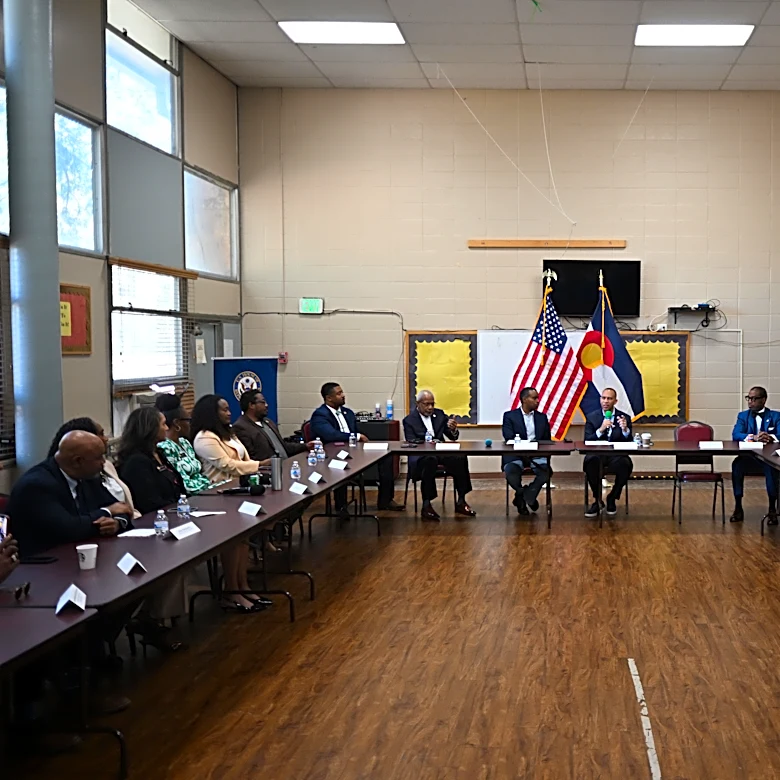
American Health Organization (PAHO) commission, which annually reviews epidemiological data, determined that measles transmission has continued uninterrupted for 12 months or longer, indicating the virus is once again circulating within the country. The Big Cities Health Coalition (BCHC), representing leaders from America’s largest metropolitan health departments, issued a statement signed by 27 members, collectively serving over 47 million Americans, expressing profound sadness over this development. They attribute the loss to declining vaccination rates, particularly within certain communities, and the spread of misinformation. The BCHC emphasizes that measles is a preventable disease and calls for national leaders to address this threat with the same seriousness as local health departments.
Why It's Important?
The loss of measles elimination status is a significant public health concern for the U.S., signaling a regression in disease control efforts. Measles is highly contagious and can lead to severe complications, including pneumonia, encephalitis, and death. The resurgence of the disease places vulnerable populations, such as infants too young to be vaccinated and individuals with compromised immune systems, at increased risk. This development also strains healthcare systems, requiring resources for outbreak response, contact tracing, and treatment that could otherwise be allocated to other public health initiatives. Economically, outbreaks can lead to productivity losses due to illness and school closures, impacting local economies. The BCHC's call for national leaders to take the threat seriously underscores the need for a coordinated, federal response to bolster vaccination efforts and combat misinformation, which directly impacts public trust in health institutions and vaccine uptake.
What's Next?
The Big Cities Health Coalition members are committed to continuing their efforts to provide accurate information about measles vaccines and ensure access for their communities. They urge federal health officials to make a similar commitment and support initiatives to protect communities from further outbreaks. A coordinated national strategy is crucial, potentially involving increased public awareness campaigns, enhanced surveillance, and targeted vaccination programs in areas with low coverage. Addressing the spread of misinformation will be a key challenge, requiring collaboration between public health agencies, social media platforms, and community leaders. The goal is to regain measles elimination status, which will necessitate a sustained period without endemic transmission, achieved through high vaccination rates and robust public health infrastructure. This will require a collective effort from all levels of the nation's public health system.
Beyond the Headlines
The re-emergence of measles in the U.S. highlights deeper societal challenges, including vaccine hesitancy and the impact of misinformation on public health. This situation reflects a broader erosion of trust in scientific institutions and expert advice, which has implications beyond infectious disease control, potentially affecting responses to other public health crises. The ethical dimension involves the balance between individual autonomy and collective public health, particularly concerning mandatory vaccination policies. Legally, states may face renewed debates over vaccine exemptions. Culturally, the incident underscores the need for effective communication strategies that resonate with diverse communities and counter narratives that undermine public health efforts. The long-term shift could be a re-evaluation of public health funding and infrastructure, recognizing the critical role they play in national security and economic stability, and the potential for preventable diseases to disrupt societal functions.