


What's Happening?
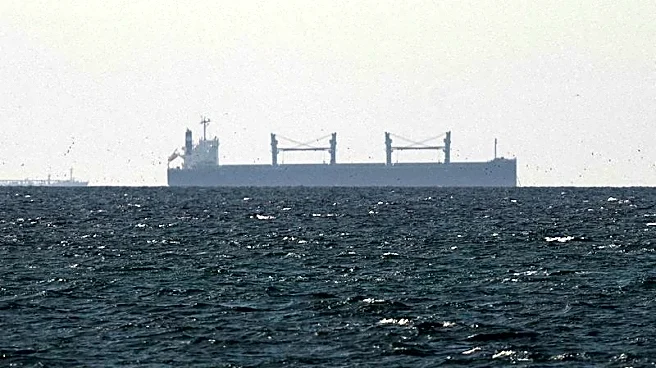
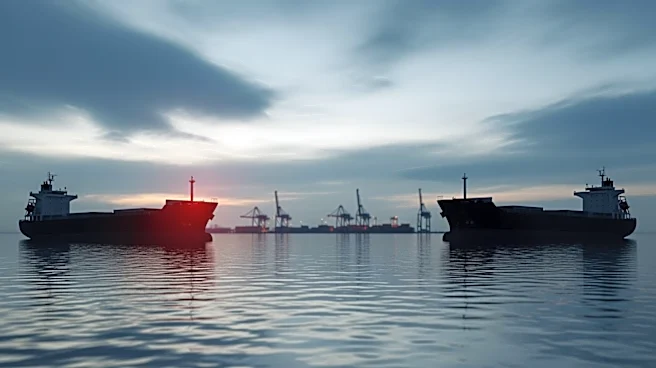
The U.S. Secretary of State, Marco Rubio, has expressed serious concerns regarding China's detention of Panama-flagged vessels. This action follows a Panamanian court ruling that invalidated a 1997 concession allowing Hong Kong-based CK Hutchison to operate
key terminals at the Panama Canal. The U.S. Federal Maritime Commission is closely monitoring the situation, noting a significant increase in detentions since March 8, with nearly 70 vessels affected. The detentions are seen as a response to the court's decision, which China has opposed, labeling it an 'act of bad faith.' CK Hutchison has rejected the ruling and initiated an international arbitration case against Panama, seeking over $2 billion in damages.
Why It's Important?
This development is significant as it highlights the geopolitical tensions surrounding the Panama Canal, a critical global trade route. The U.S. views the detentions as an attempt by China to exert economic pressure and undermine Panama's sovereignty. The situation underscores the strategic importance of the canal, which handles about 5% of global maritime trade, and the ongoing U.S.-China rivalry over influence in Latin America. The U.S. has reiterated its support for Panama, emphasizing the need for transparency and adherence to the rule of law. The outcome of this dispute could have broader implications for international maritime law and global trade dynamics.
What's Next?
The international arbitration case filed by CK Hutchison against Panama will be a key development to watch. The outcome could set a precedent for how similar disputes are handled in the future. Additionally, the U.S. may increase diplomatic efforts to support Panama and counter China's influence in the region. The situation could also lead to further discussions on international maritime regulations and the role of economic tools in geopolitical conflicts.