





What's Happening?
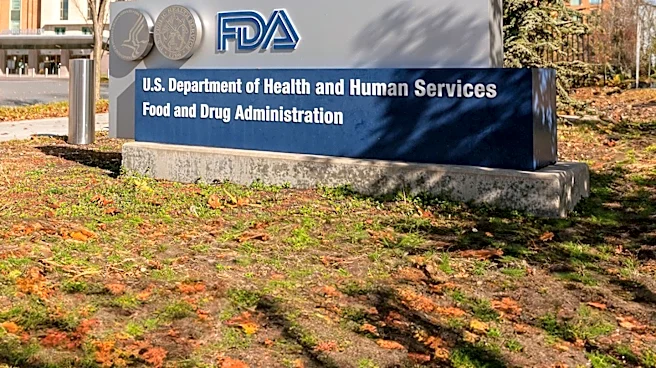
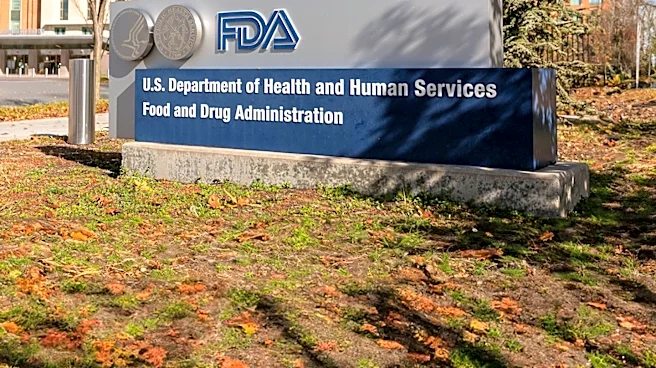
A new policy from the Department of Health and Human Services (HHS), influenced by Secretary Robert F. Kennedy Jr., will expand consumer access to six unapproved peptides starting October 29, 2026. This policy allows small compounding pharmacies to produce
and sell these peptides, including BPC-157, Epitalon, KPV, MOTS-c, Semax, and TB-500. Previously, in 2023, the FDA had restricted access to several wellness peptides due to unspecified safety concerns, preventing specialized pharmacies from selling them. However, consumers continued to purchase these products online and through wellness stores. The decision to ease restrictions follows a July 2026 vote by an FDA advisory committee, which approved expanded access despite repeated warnings from FDA scientists about insufficient safety and efficacy data. Wellness influencers have popularized some of these peptides, such as the 'Wolverine stack' (BPC-157 and TB-500), for muscle building and recovery, with Secretary Kennedy himself promoting them.
Why It's Important?
This policy shift is significant because it broadens the availability of substances that have not undergone rigorous FDA approval processes for safety and efficacy. While proponents argue that purchasing from compounding pharmacies is safer than online gray markets, these pharmacies are not subject to the same federal oversight as pharmaceutical manufacturers. The FDA's use of 'enforcement discretion' means it will not pursue legal action against pharmacies selling these peptides, effectively looking the other way. This approach contrasts with the FDA's usual role of ensuring drug safety through clinical trials. The lack of regulatory scrutiny could expose consumers to unknown risks, as compounding pharmacies are not obligated to test ingredients from outside suppliers, and there is minimal oversight of their products. This move also signals a potential shift in regulatory philosophy, prioritizing access to unapproved wellness products over traditional safety evaluations.
What's Next?
As of October 29, 2026, consumers will have more avenues to purchase the six specified peptides through compounding pharmacies, requiring a prescription. This increased accessibility may lead to a surge in their use, driven by ongoing promotion from wellness influencers. However, the lack of FDA regulation means that the safety and efficacy of these products will remain unverified, potentially leading to adverse health outcomes for some users. The policy may also set a precedent for future decisions regarding other unapproved wellness products, potentially encouraging more 'enforcement discretion' from regulatory bodies. It remains to be seen how the medical community and public health organizations will react to the broader availability of these unregulated substances and whether there will be calls for increased oversight or further studies into their effects.
Beyond the Headlines
The decision to loosen restrictions on unapproved peptides highlights a growing tension between consumer demand for wellness products, often fueled by social media trends, and established regulatory frameworks designed to protect public health. This policy could undermine the FDA's traditional role as a gatekeeper for drug safety, potentially discouraging pharmaceutical companies from investing in research and development for similar compounds if they can be sold without extensive clinical trials. The ethical implications of allowing widespread access to substances with unproven safety profiles are substantial, particularly when promoted by influential figures. This situation echoes past controversies involving unregulated health products, where a lack of oversight led to significant consumer harm, such as with certain diagnostic tests that provided false results. The long-term impact could be a decline in public trust in regulatory bodies and a more fragmented landscape for health product oversight.