






What's Happening?
Evergy Missouri West, Missouri's second-largest electricity provider, has filed a request with the Missouri Public Service Commission (MPSC) to increase electricity rates for its customers. The proposal would raise the average residential customer's bill
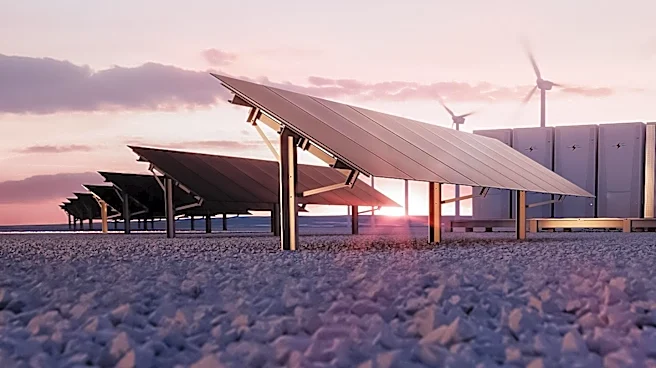
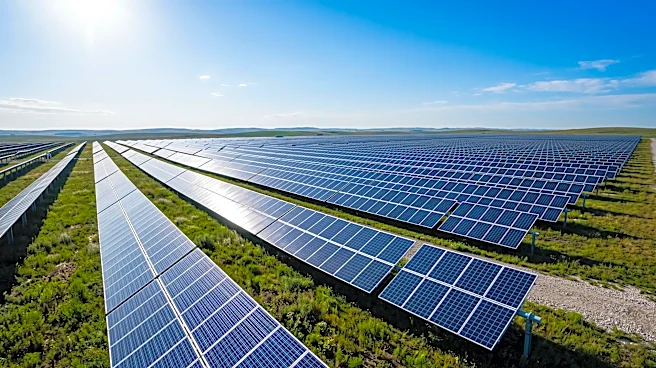
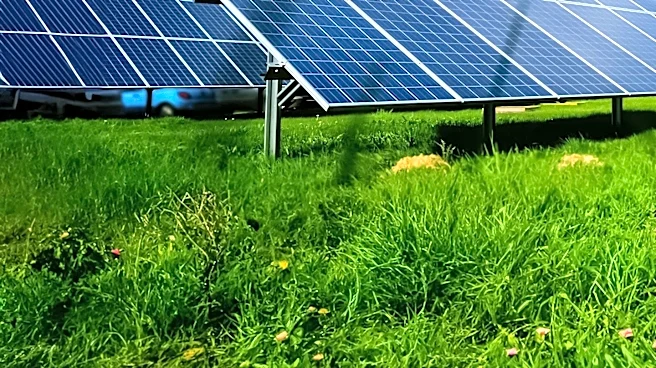
by approximately $17.25 per month, totaling $207 annually, for those consuming 1,005 kilowatt-hours of electricity. The company attributes this proposed increase to significant investments in new power generation facilities, including the Foxtrot Energy Center and Sunflower Sky Energy Center, which are expected to provide 172 MW of solar power by spring 2027. Additionally, Evergy Missouri West is seeking to recover costs associated with new natural-gas generation plants slated for service between 2029 and 2032, which will add 1,065 MW of power. The utility also highlighted that revenue from new data centers is expected to reduce the overall requested rate increase by $61 million annually, as these large customers will pay a premium, thereby helping to mitigate costs for other customers. The filing initiates an 11-month review process by the MPSC, during which regulators, consumer advocates, and the public can provide input.
Why It's Important?
This proposed rate increase by Evergy Missouri West is significant as it directly impacts over 340,000 residential customers in western Missouri, potentially adding a substantial burden to household budgets already strained by rising utility costs. The National Energy Assistance Directors Association (NEADA) reported that the average U.S. residential electricity bill increased by nearly 29 percent from 2021 to 2025, rising from $121 to $156 per month. This trend indicates a broader national challenge with energy affordability, making Evergy's request part of a larger pattern of rising utility expenses across the country. The company's justification, citing investments in new generation and grid improvements, reflects the ongoing need for utilities to upgrade infrastructure to meet demand and transition to new energy sources. The inclusion of a profit-sharing mechanism, where 65 percent of earnings exceeding regulatory limits would be returned to customers, could offer a degree of consumer protection, but the immediate impact remains a higher monthly bill for many.
What's Next?
The proposed rate increase will undergo an 11-month review process by the Missouri Public Service Commission (MPSC). During this period, regulators, consumer advocates, and other stakeholders will have the opportunity to propose changes, counterproposals, and scrutinize Evergy Missouri West's request. Public hearings are scheduled for 2027, allowing customers to comment and testify on the proposal. Until the MPSC approves the increase, there will be no immediate changes to customer bills. The outcome of this review will determine the final rate structure and the extent of the increase, if any, that Evergy Missouri West customers will face. This regulatory process is crucial for balancing the utility's need to recover investment costs and maintain service reliability with the public's interest in affordable electricity.
Beyond the Headlines
The Evergy Missouri West rate increase request highlights a broader national trend of rising electricity costs driven by infrastructure investments, the transition to renewable energy sources, and increasing operational expenses. The utility's strategy of leveraging revenue from large data centers to offset rate increases for residential customers points to an evolving dynamic in energy consumption and pricing. As data centers become significant energy consumers, their presence can either strain existing grids or, as Evergy suggests, provide a revenue stream that benefits other customer classes. This situation also underscores the ongoing tension between utility companies' need to invest in modernizing and expanding their infrastructure—including integrating more renewable energy—and the public's demand for stable and affordable energy prices. The regulatory review process will be critical in determining how these competing interests are balanced, potentially setting precedents for how other utilities manage similar challenges across the U.S.