





What's Happening?
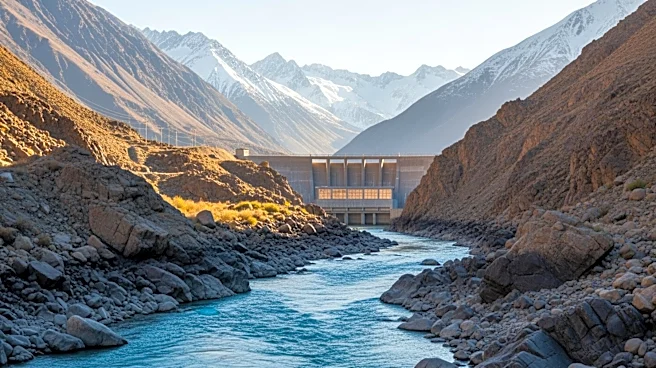
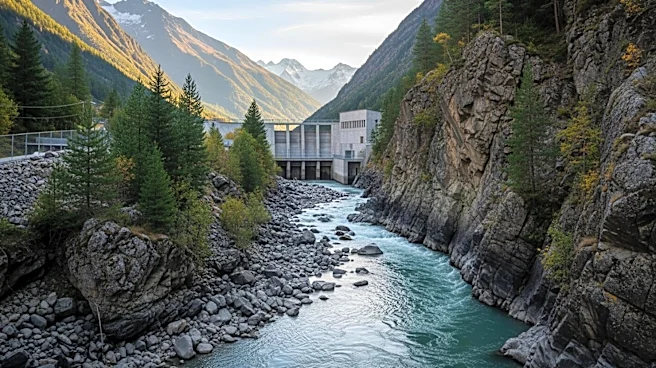
The Department of Homeland Security has issued warnings to U.S. energy companies to enhance their security measures due to increasing global tensions. The focus is on protecting critical infrastructure, such as power plants and substations, which are
vulnerable to various physical threats. Recent incidents, like the 2013 substation attack in California and similar attacks in North Carolina, highlight the need for improved security. Traditional security measures, such as fences and cameras, are deemed insufficient. The industry is encouraged to adopt advanced technologies like 3D LiDAR and digital twins. These technologies offer precise detection and allow for virtual testing of security scenarios, helping to identify vulnerabilities before they become real threats.
Why It's Important?
The security of critical infrastructure is vital for national productivity and safety. As global threats evolve, the U.S. energy sector must adopt proactive security measures to prevent potential disruptions. The use of advanced technologies can significantly reduce the risk of attacks and the associated costs of damage and recovery. By integrating operational and security data, utility leaders can respond swiftly to threats, ensuring the continuous operation of essential services. This modernization is crucial for maintaining national security and economic stability.
What's Next?
The energy sector is expected to increasingly adopt advanced security technologies to protect critical infrastructure. Utility companies may need to invest in new systems and training to implement these technologies effectively. Collaboration with law enforcement and government agencies will be essential to enhance real-time threat assessment and response capabilities. As the industry moves towards a more integrated security approach, regulatory bodies may introduce new standards and guidelines to ensure compliance and effectiveness.