





What's Happening?
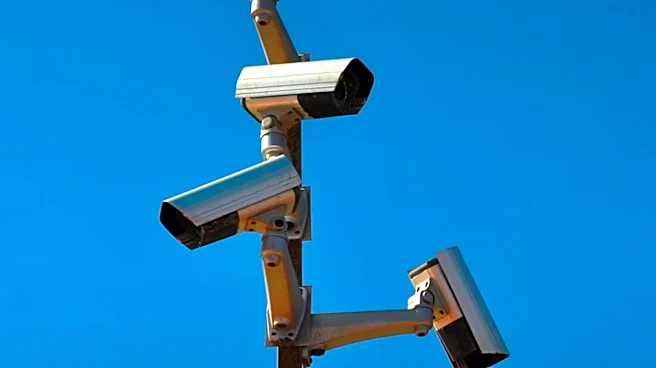
The city of Grand Rapids has announced new administrative rules governing the use of automated license plate reader cameras by the Grand Rapids Police Department (GRPD). Grand Rapids City Manager Mark Washington issued an administrative order that places
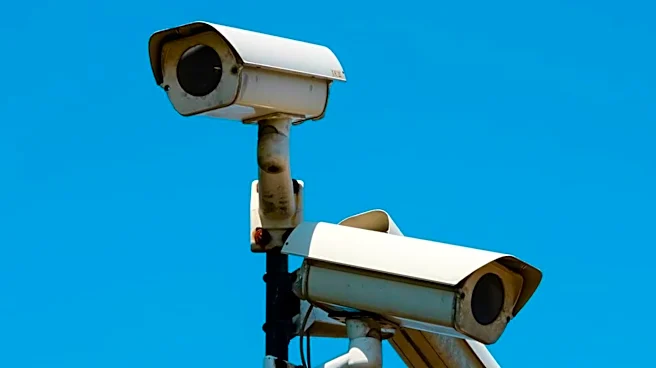
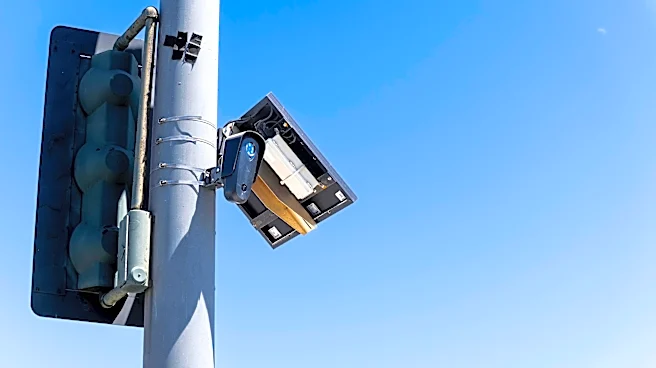
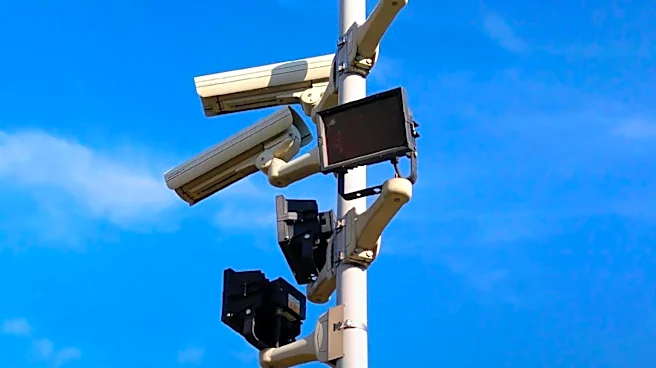
the GRPD's license plate readers under the city's surveillance policy. This new order mandates that any future acquisition, renewal, or expansion of the license plate reader system must undergo review by the Public Safety Committee and receive approval from the City Commission. Additionally, the order requires the creation of an annual report detailing the technology's usage. These changes are a direct response to concerns raised by residents and discussions held during a recent Public Safety Committee meeting, where representatives from the GRPD and Flock, the system's provider, presented information on its operation. The GRPD has been utilizing 31 license plate reader cameras since 2012, primarily to assist in solving thefts, violent crimes, and locating missing individuals. The new rules are set to take effect in mid-September.
Why It's Important?
This new oversight policy is significant as it aims to balance public safety needs with concerns regarding privacy and transparency in the use of surveillance technology. By requiring public review and City Commission approval for future system changes, Grand Rapids is establishing a more accountable framework for police technology. The annual reporting requirement will provide ongoing transparency into how the license plate readers are being used, potentially addressing public apprehension about data retention and potential misuse. This move reflects a growing national conversation about the appropriate use of surveillance tools by law enforcement and the need for clear guidelines to prevent abuses. The city's approach seeks to maintain the crime-solving benefits of the technology while building greater public trust, especially in light of past examples where such technology has been used inappropriately, including for immigration enforcement, as noted by City Manager Washington.
What's Next?
The new administrative order will become effective in mid-September. Following its implementation, any proposed changes to the Grand Rapids Police Department's license plate reader system, including new purchases or renewals, will be subject to review by the Public Safety Committee and require approval from the City Commission. The GRPD will also begin compiling annual reports on the technology's usage, which will likely be made public, offering ongoing transparency. This process will allow for continued public discourse and oversight regarding the system's operation. The city's commitment to a "responsible, deliberative step" suggests that future decisions regarding surveillance technology will involve a more structured and publicly scrutinized process, potentially influencing how other municipalities approach similar issues.
Beyond the Headlines
The implementation of these new oversight rules in Grand Rapids highlights a broader societal challenge: integrating advanced surveillance technologies into policing while safeguarding civil liberties. The balance between enhancing public safety through tools like license plate readers and protecting individual privacy is a complex ethical and legal dilemma. This policy could serve as a model for other U.S. cities grappling with similar issues, demonstrating a proactive approach to governance in the digital age. It underscores the importance of community engagement and transparent processes in shaping technology policies, particularly when those technologies have the potential for widespread data collection. The emphasis on public process and accountability aims to mitigate concerns about potential overreach and ensure that technology serves the community's best interests without eroding fundamental rights.