






What's Happening?
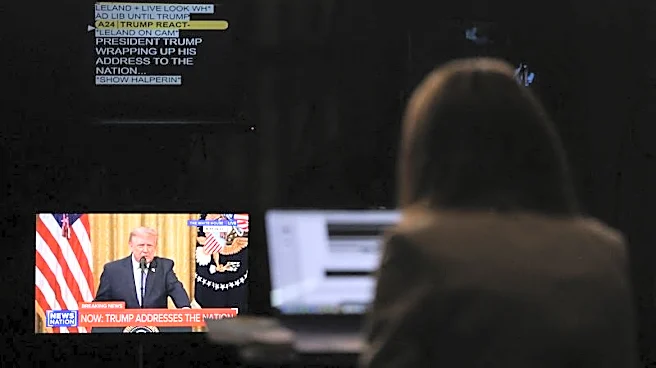
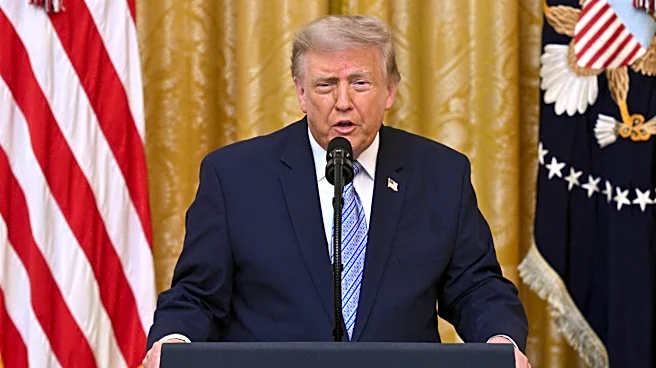
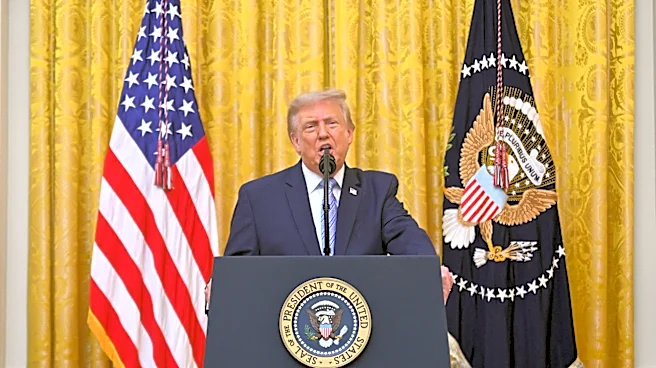
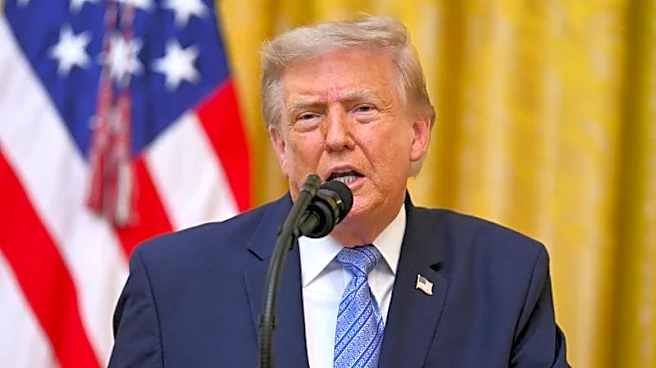
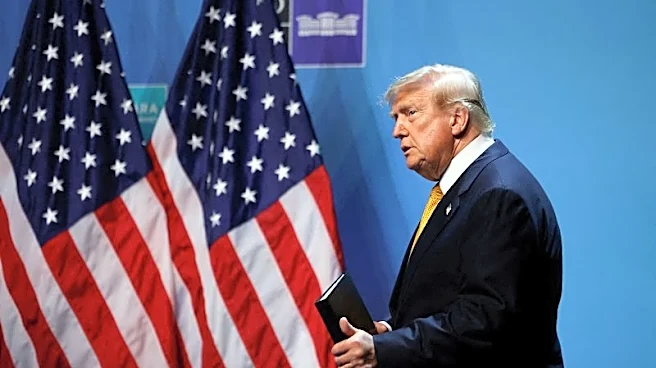
During a primetime address, President Donald Trump accused China and what he referred to as the U.S. 'Deep State' of interfering in the 2020 election. This accusation is part of Trump's broader narrative challenging the election's legitimacy. He has previously
suggested that foreign interference and internal conspiracies were factors in his electoral defeat. These claims have been met with skepticism, as U.S. intelligence agencies have found no evidence of significant interference by China in the election. Trump's assertions continue to fuel debates about election security and the role of foreign influence in American politics.
Why It's Important?
Trump's allegations against China and the so-called 'Deep State' have significant implications for U.S. foreign relations and domestic politics. Accusing a major global power like China of election interference could strain diplomatic relations and impact international cooperation on various issues. Domestically, these claims contribute to the ongoing polarization and distrust in government institutions. They also highlight the challenges faced by intelligence agencies in maintaining public confidence while countering misinformation. The narrative of a 'Deep State' working against Trump could further divide political factions and influence public perception of governmental transparency and accountability.