




What's Happening?
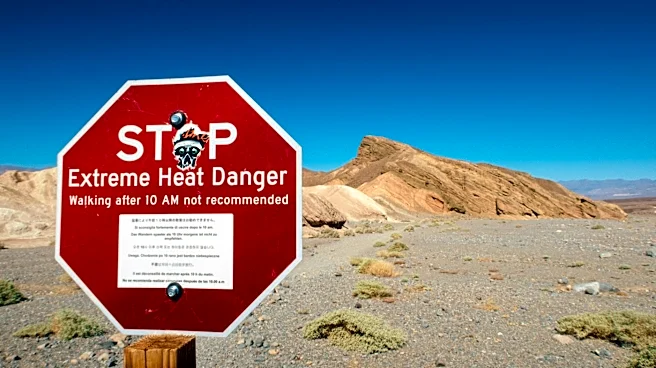
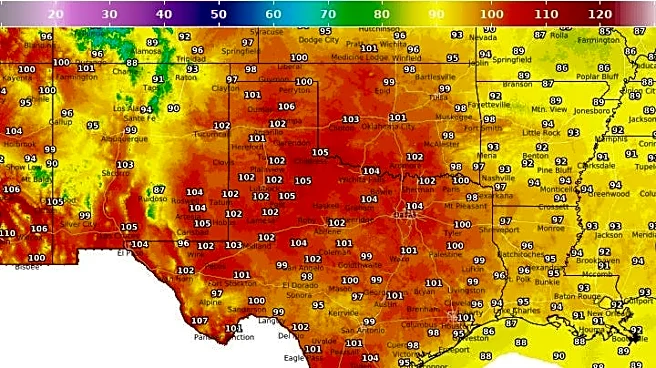
A severe heat wave is affecting parts of the United States, with over 39 million people under heat alerts. Temperatures have soared above 100°F in several areas, with a high of 119°F recorded near Topock, Arizona, and Tecopa, California. The 'heat dome'
responsible for these extreme conditions has shifted west, intensifying the heat in the Southwest and expected to expand into the intermountain West and northern High Plains. Extreme heat warnings are in effect across six states, including Arizona, California, and Nevada, with temperatures forecasted to reach 110-120°F in some desert locations.
Why It's Important?
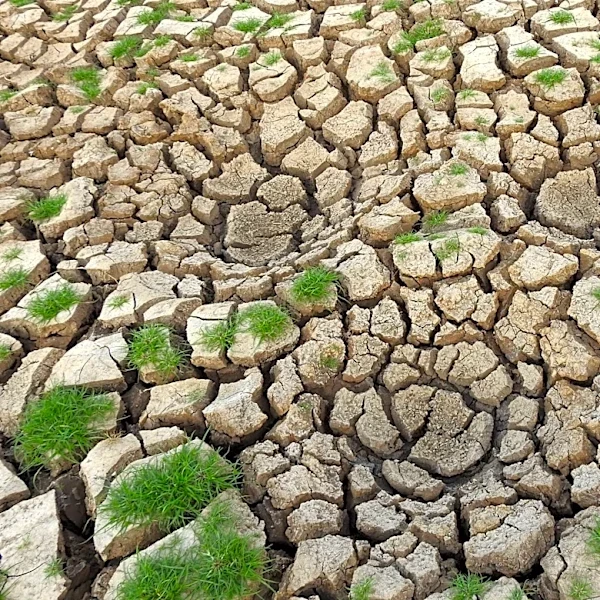
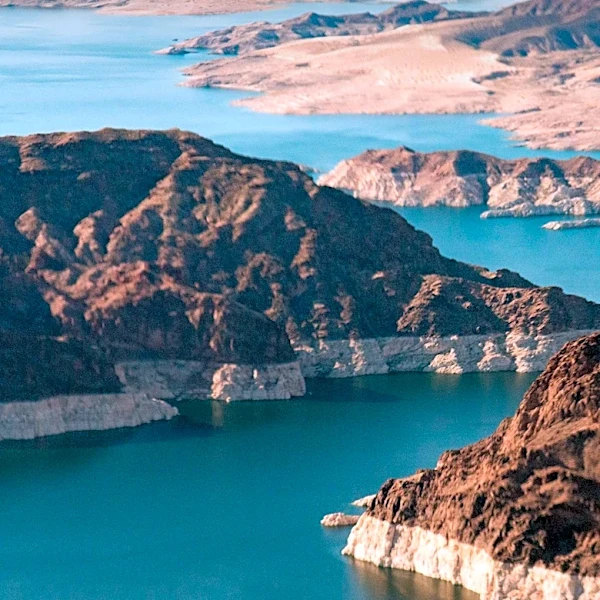
The ongoing heat wave poses significant health risks, particularly for vulnerable populations without adequate cooling or hydration. Prolonged exposure to extreme heat can lead to heat-related illnesses, straining healthcare systems and increasing mortality rates. The economic impact is also considerable, affecting energy consumption, agricultural productivity, and outdoor labor. The situation underscores the need for effective heat management strategies and infrastructure improvements to mitigate the effects of climate change.
What's Next?
Relief from the heat wave is anticipated as a strong cold front is expected to bring cooler temperatures to the eastern U.S. by next weekend. However, the immediate focus remains on managing the current conditions. Authorities are advising residents to stay hydrated, seek air-conditioned environments, and check on vulnerable individuals. The ongoing heat wave highlights the importance of preparedness and adaptation measures to address future climate-related challenges.