







What's Happening?
President Lee Jae Myung of South Korea has called for an increase in agricultural subsidies, emphasizing its importance for the country's food security and national survival. In a recent social media post, Lee highlighted the need to protect the farming
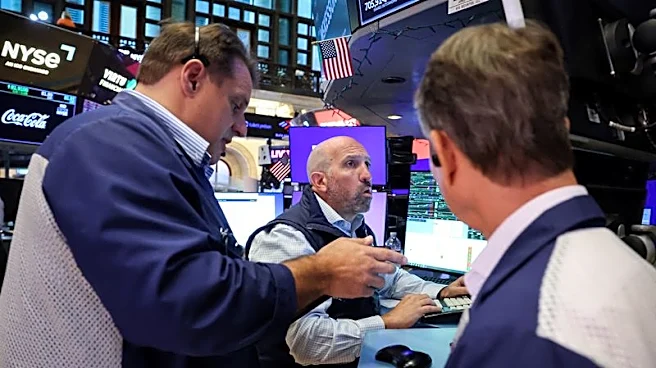
industry and prepare for potential emergencies related to food supply. He pointed out that South Korea's agricultural subsidies are significantly lower compared to other advanced nations, such as the European Union and Japan. The President argued that increasing government payments to farmers is crucial to ensuring their security and sustaining rural areas. The recent rise in stock market performance has reportedly boosted rural tax revenue, providing the government with sufficient funding to support this initiative.
Why It's Important?
The call for increased agricultural subsidies by President Lee underscores the strategic importance of food security in South Korea. As global food supply chains face disruptions, ensuring a stable domestic agricultural sector becomes vital. This move could bolster the livelihoods of farmers and strengthen rural economies, which are often vulnerable to economic shifts. By aligning subsidies with those of other developed nations, South Korea aims to enhance its agricultural competitiveness and resilience. This policy shift could also influence international trade dynamics, as South Korea navigates its agricultural market's openness to foreign products. The decision reflects broader concerns about national self-sufficiency and economic stability in the face of global uncertainties.
What's Next?
The South Korean government is expected to outline specific measures and timelines for implementing the proposed increase in agricultural subsidies. This may involve legislative actions and budget reallocations to ensure adequate funding. Stakeholders, including farmers' associations and agricultural businesses, are likely to engage in discussions to shape the policy's execution. The international community, particularly trade partners, will be monitoring these developments, as changes in subsidy levels could impact trade agreements and market access. Additionally, the government may face scrutiny from opposition parties and economic analysts regarding the fiscal implications and long-term sustainability of increased subsidies.