


What's Happening?
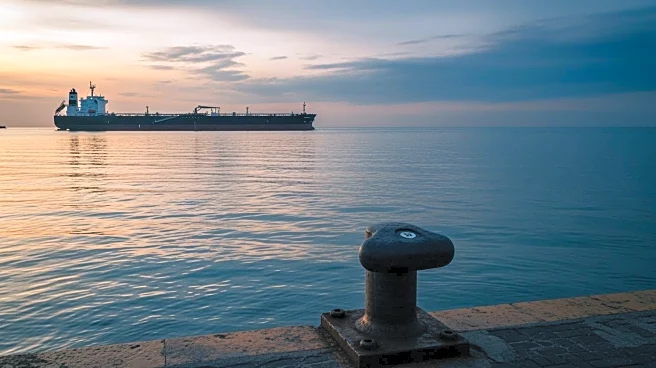
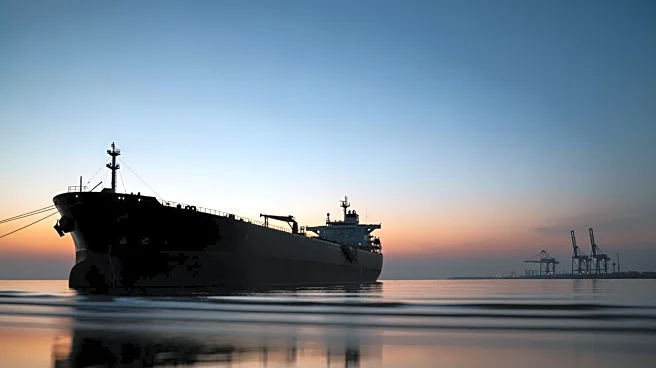
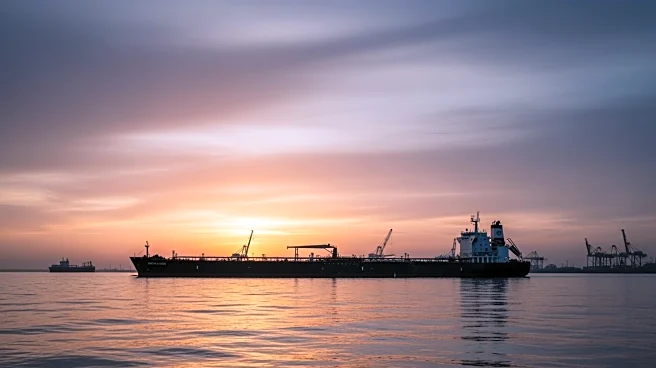
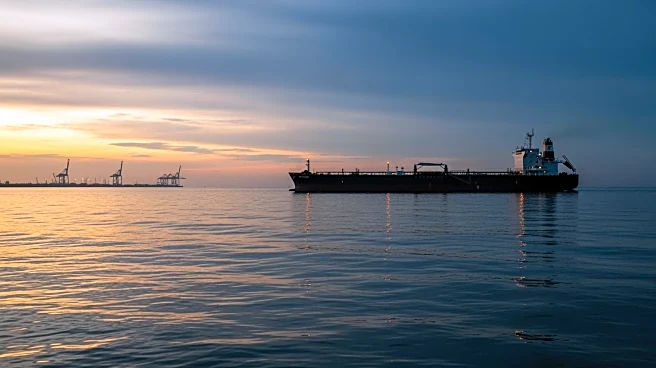
The United States government has decided to allow a Russian oil tanker, the Anatoly Kolodkin, to deliver crude oil to Cuba, effectively easing a blockade that has exacerbated the island's energy crisis. The tanker, carrying approximately 730,000 barrels
of oil, is expected to dock at the Matanzas port in Cuba. This decision comes as Cuba faces severe fuel shortages, leading to strict gas rationing. President Trump stated that the U.S. does not object to countries sending oil to Cuba, including Russia, as the island 'has to survive.' The U.S. had previously restricted oil shipments to Cuba to pressure its government, particularly after the capture of former Venezuelan leader Nicolás Maduro, who had been a key ally providing oil to Cuba. The U.S. has temporarily eased some sanctions on Russian oil shipments to stabilize global energy markets amid recent military tensions in the Strait of Hormuz.
Why It's Important?
This development is significant as it marks a shift in U.S. policy towards Cuba, potentially easing the island's energy crisis. The decision to allow Russian oil into Cuba could help stabilize the island's economy, which has been struggling due to fuel shortages. This move also reflects broader geopolitical dynamics, as the U.S. seeks to manage global energy markets amid tensions in the Middle East. The easing of sanctions on Russian oil shipments may have implications for U.S.-Russia relations and could influence the global oil market. Additionally, this decision may impact U.S. domestic politics, as it represents a departure from previous policies aimed at isolating Cuba economically.
What's Next?
The arrival of the Russian oil tanker in Cuba is expected to provide temporary relief to the island's energy crisis. However, the long-term implications of this policy shift remain uncertain. It is unclear whether the U.S. will continue to allow such shipments or if this is a temporary measure. The decision may prompt reactions from other countries involved in the region, including Venezuela and Mexico, which have previously been affected by U.S. sanctions. Additionally, the U.S. government's approach to managing global energy markets amid geopolitical tensions will likely continue to evolve, potentially affecting international relations and economic policies.