



What's Happening?
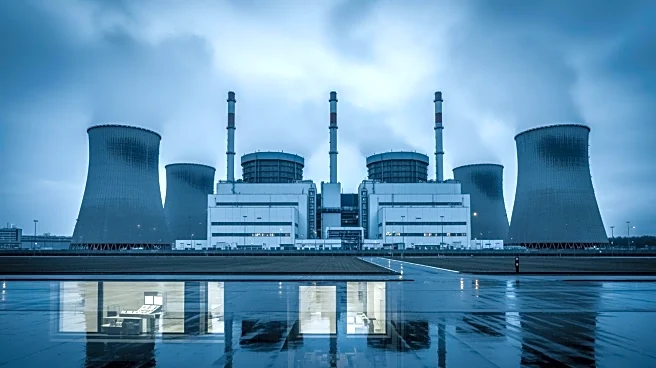
Japan has suspended operations at the Kashiwazaki-Kariwa Nuclear Power Plant, the world's largest by installed capacity, just hours after its restart. The suspension followed an alarm during reactor start-up procedures, although the reactor remained stable,
according to Tokyo Electric Power Company (Tepco). This marks the first restart of a reactor at the plant since the 2011 Fukushima disaster, which led to the shutdown of all 54 reactors in Japan. The restart of reactor number six was delayed by a day due to an alarm malfunction. Tepco is investigating the cause of the incident, and the reactor is expected to begin commercial operations next month.
Why It's Important?
The suspension of operations at Kashiwazaki-Kariwa highlights the ongoing challenges Japan faces in reviving its nuclear energy sector. Following the Fukushima disaster, public confidence in nuclear power has been significantly shaken, and safety concerns remain a major issue. The restart of the reactor is part of Japan's broader strategy to reduce carbon emissions and achieve net-zero emissions by 2050. Nuclear power, which once accounted for nearly 30% of Japan's electricity, is seen as a key component of this strategy. However, the incident underscores the technical and public relations hurdles that must be overcome to restore nuclear energy as a reliable power source.
What's Next?
Tepco will continue its investigation into the alarm incident, and the reactor is expected to commence commercial operations next month. The company will need to address safety concerns and reassure the public about the reliability of nuclear power. The future of the Kashiwazaki-Kariwa plant remains uncertain, with only one reactor expected to be operational by 2030, while others may be decommissioned. Japan's government and energy companies will need to balance the push for nuclear energy with public safety and environmental concerns, potentially influencing energy policy and investment in alternative energy sources.