
What's Happening?
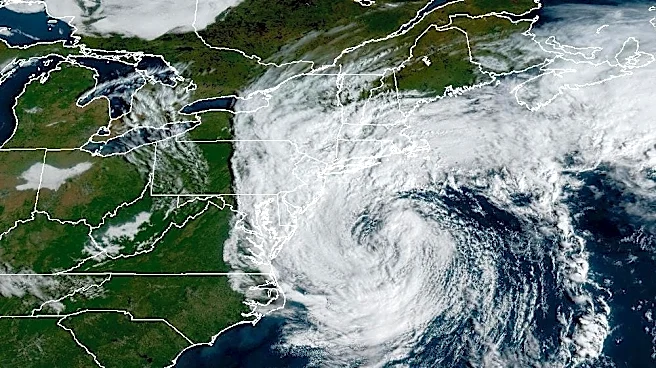
A powerful nor'easter is currently impacting the East Coast of the United States, leading to significant disruptions. The storm features wind gusts exceeding 60 mph and has caused over 71,000 power outages
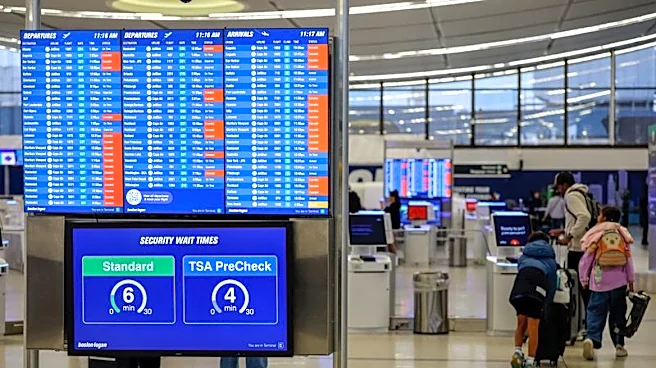
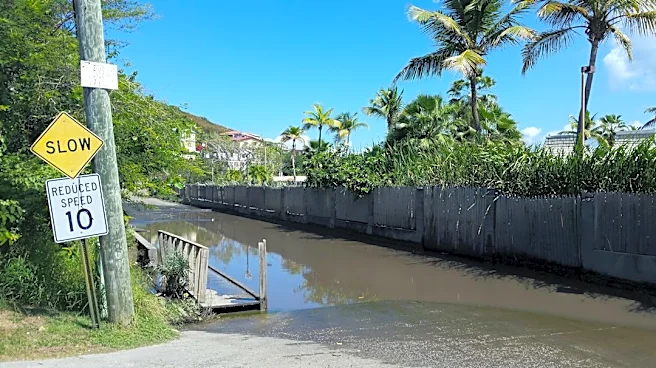
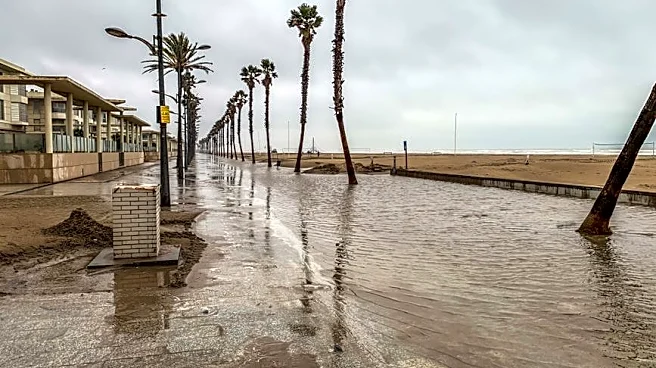
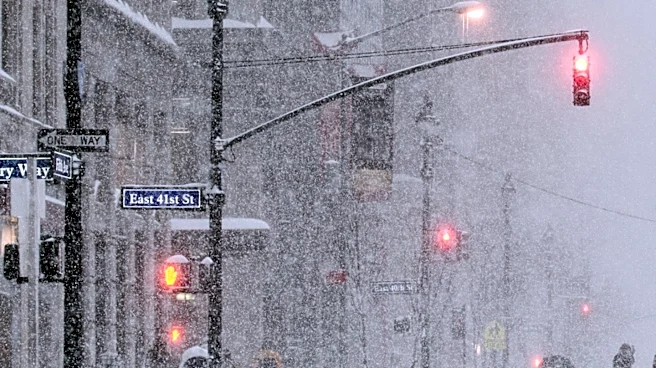
across Pennsylvania, New Jersey, New York, and Rhode Island. States of emergency have been declared in New York and New Jersey. The combination of relentless rainfall and strong winds is pushing ocean water inland, creating a severe threat of tidal inundation, with some coastal communities experiencing up to three feet of water. Waterfront areas in Point Pleasant, New Jersey, have reported deep standing water on roadways, prompting voluntary evacuations. The severe weather has also led to hundreds of flight cancellations nationwide, with Boston Logan International Airport and regional hubs like Nantucket and Martha's Vineyard particularly affected. Amtrak has canceled regional passenger services between Boston and Philadelphia due to downed wires and track hazards, and bus bridges have been deployed between Harrisburg and Philadelphia. Hazardous driving conditions, including reduced visibility and motor vehicle accidents, have been reported on Long Island expressways.
Why It's Important?
This severe nor'easter highlights the vulnerability of densely populated coastal regions to extreme weather events, particularly when coinciding with astronomical high tides. The widespread power outages underscore the fragility of critical infrastructure, impacting tens of thousands of homes and businesses. The extensive travel disruptions, including flight cancellations and railway service interruptions, have significant economic consequences, affecting commerce, tourism, and daily commutes across the Northeast corridor. The need for voluntary evacuations in coastal areas points to the ongoing challenges in managing and mitigating flood risks in a changing climate. Furthermore, the disruption of large-scale public and private gatherings, such as the Global Citizen festival and wedding events, demonstrates the broader societal impact of such storms, affecting community life and local economies. The event also serves as a reminder that nor'easters can be severe regardless of the season or presence of snow, challenging common misconceptions about these storm systems.
What's Next?
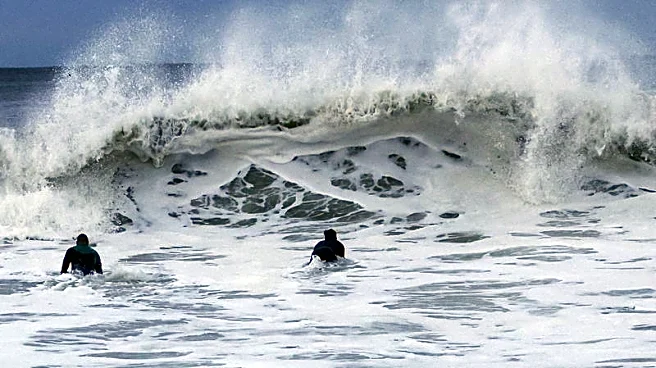
Emergency management agencies are advising residents along the Atlantic coastline to maintain rigorous safety precautions as the storm is expected to persist until early next week. Coastal flood warnings remain in effect, and water levels are anticipated to fluctuate with consecutive tide cycles. Utility crews are facing delays in restoring power due to dangerous wind conditions and localized road flooding, suggesting that power outages may continue for some time. Travelers are urged to monitor real-time airline alerts and verify flight statuses before heading to airports. Local emergency dispatch services and municipal alert channels will provide updates on roadway closures. Residents are also advised to secure outdoor furniture and equipment, avoid flooded thoroughfares, and stay clear of shorelines and beaches due to potential 20-foot breaking waves. The ongoing impact of the storm will likely necessitate continued emergency response efforts and could lead to further disruptions in daily life and economic activities in the affected regions.
Beyond the Headlines
The current nor'easter underscores the evolving nature of severe weather patterns and the importance of robust emergency preparedness. The distinction between a nor'easter's defining characteristics (trajectory and prevailing winds) versus common misconceptions (requiring snow) highlights the need for public education on meteorological phenomena. The storm's alignment with astronomical high tides, creating flood potential equivalent to historical superstorms despite a higher central pressure, reveals the complex interplay of various environmental factors in determining a storm's impact. This event could prompt further discussions on climate resilience and infrastructure investment in coastal communities, particularly concerning electrical grids and transportation networks. The repeated disruptions to daily life, from event cancellations to travel halts, may also influence future urban planning and event scheduling in vulnerable regions. The emphasis on individual and community preparedness, including knowing how to receive alerts and having emergency plans, becomes even more critical in the face of increasingly unpredictable and severe weather events.