
What's Happening?
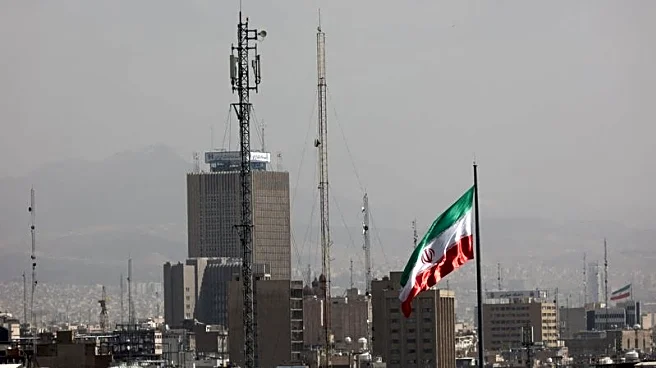
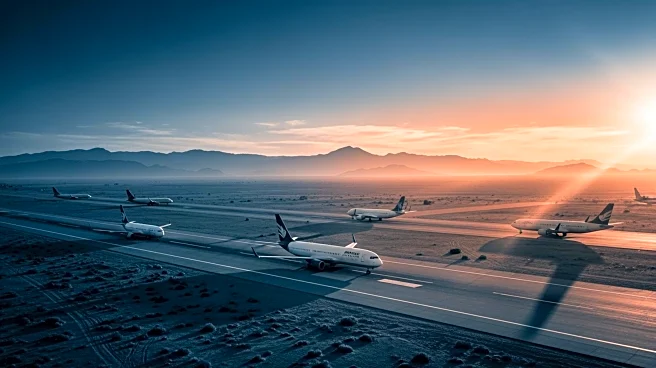
In the wake of recent U.S. and Israeli military strikes on Iran, global air travel has been significantly disrupted, resulting in the diversion of at least 145 flights across the Middle East. According to data compiled by Business Insider from Flightradar24,
flights originally destined for major airports in the region, such as Dubai International and Doha International, have been rerouted to 73 different destinations. The most common diversion points include Muscat, Oman, and cities like Istanbul and Karachi. The chaos has affected flights from various global airlines, including Qatar Airways, Emirates, and Etihad Airways, which have had to adjust their operations due to the closure of airspace in the region.
Why It's Important?
The disruption in air travel highlights the broader geopolitical tensions and their immediate impact on global logistics and commerce. Airlines are facing increased operational costs due to the need for additional fuel, labor, and potential passenger compensation. The situation underscores the vulnerability of international travel to geopolitical conflicts, which can lead to significant economic repercussions for airlines and related industries. The diversion of flights also affects passengers, causing delays and potential cancellations, which can disrupt personal and business plans. This incident serves as a reminder of the interconnectedness of global travel and the ripple effects that regional conflicts can have on international air traffic.
What's Next?
As the situation develops, airlines will need to continue monitoring the geopolitical landscape and adjust their flight paths accordingly. The ongoing closure of airspace in the region may lead to further cancellations and diversions, affecting thousands of passengers. Airlines will likely engage in contingency planning to mitigate the impact on their operations and minimize disruptions. Additionally, diplomatic efforts may be necessary to address the underlying tensions and restore stability to the region, which could eventually lead to the reopening of affected airspace and a return to normal flight operations.