



What's Happening?
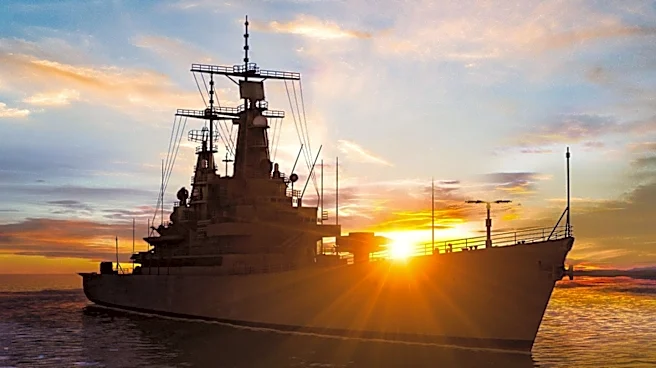
The Israel Navy has unveiled a new strategic vision aimed at transforming itself into a regional maritime power. This initiative includes expanding its missile-boat fleet and enhancing international cooperation. The Navy recently conducted its largest
exercise since October 7, involving over 1,000 sailors and various naval units, to practice defending strategic assets and executing long-range strikes. The exercise highlighted the importance of the maritime arena as a strategic front, capable of influencing major power conflicts. The Navy's plan involves increasing its fleet from 15 to potentially 21 warships and acquiring new Reshef-class vessels. Additionally, the Navy seeks to deepen partnerships with navies from Greece and African countries like Ethiopia and Somaliland.
Why It's Important?
The expansion of the Israel Navy is significant as it underscores the growing importance of maritime power in regional security dynamics. Control over maritime chokepoints and shipping lanes can have profound economic and strategic implications, as demonstrated by recent global confrontations. For Israel, enhancing its naval capabilities is crucial for protecting its economic interests, such as gas rigs, and for maintaining security in volatile regions. The Navy's strategic shift reflects a broader trend where maritime forces are increasingly seen as pivotal in national defense strategies. This development could lead to shifts in regional power balances and influence Israel's ability to respond to threats from countries like Turkey and Iran.
What's Next?
The Israel Navy's strategic plan will likely involve further exercises and collaborations to test and refine its capabilities. As the Navy expands its fleet and enhances its operational readiness, it may face challenges related to resource allocation and technological integration. The evolving geopolitical landscape in the Middle East will also test the Navy's ability to adapt to new threats and opportunities. Continued international cooperation and technological advancements will be key to achieving the Navy's goal of becoming a regional maritime power.
Beyond the Headlines
The Israel Navy's expansion raises questions about the ethical and environmental implications of increased military activity in the Mediterranean. The focus on maritime power could lead to heightened tensions with neighboring countries, potentially impacting diplomatic relations. Additionally, the environmental impact of increased naval operations, such as pollution and disruption of marine ecosystems, may become a concern. The Navy's strategic shift also reflects broader global trends where nations are investing in maritime capabilities to secure economic and strategic interests.