









What's Happening?
The Florida Department of Education has introduced an alternative to the Advanced Placement (AP) history course, aiming to provide a curriculum 'free from ideological bias or indoctrination.' This move aligns with Governor Ron DeSantis's ongoing efforts
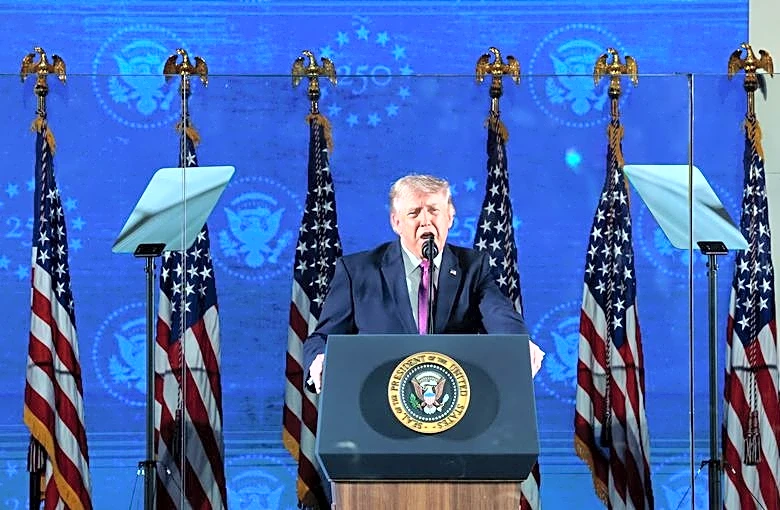
to challenge the College Board's portrayal of historical events, particularly concerning race, gender, and the motivations of the Founding Fathers. The new curriculum recommends using 'Land of Hope: An Invitation to the Great American Story' by Wilfred McClay, a history professor at Hillsdale College. McClay's textbook is seen as a counter to Howard Zinn's 'A People's History of the United States,' which is popular for its focus on America's darker historical aspects. The Florida curriculum emphasizes American exceptionalism and downplays narratives of slavery, aligning with President Trump's 2020 executive order promoting 'patriotic education.'
Why It's Important?
This development is significant as it reflects broader national debates over how American history should be taught in schools. The introduction of a curriculum that emphasizes patriotic education could influence how future generations perceive their country's history, potentially affecting civic engagement and national identity. Critics argue that such an approach may lead to a sanitized version of history that overlooks critical issues like slavery and racial injustice. Supporters believe it fosters a sense of national pride and unity. The outcome of this educational shift could impact political and social dynamics, as education plays a crucial role in shaping public opinion and cultural values.
What's Next?
The pilot program for the Florida Advanced Courses and Test (FACT) is set to roll out later this fall. As the program unfolds, it is likely to face scrutiny and potential legal challenges from educators, historians, and civil rights groups who may argue that it fails to provide a comprehensive view of American history. The response from other states and educational institutions will be critical in determining whether similar curricula are adopted elsewhere. Additionally, the impact on students' understanding of history and their civic engagement will be closely monitored by both supporters and critics of the initiative.
Beyond the Headlines
The introduction of this curriculum raises questions about the role of education in promoting national identity versus critical thinking. It highlights the tension between teaching history as a means of fostering patriotism and as a tool for understanding complex social issues. The debate also touches on broader cultural and political divides in the U.S., where differing views on history education reflect deeper disagreements about national values and priorities. This situation underscores the ongoing struggle over who controls the narrative of American history and how it is used to shape future citizens.