



What's Happening?
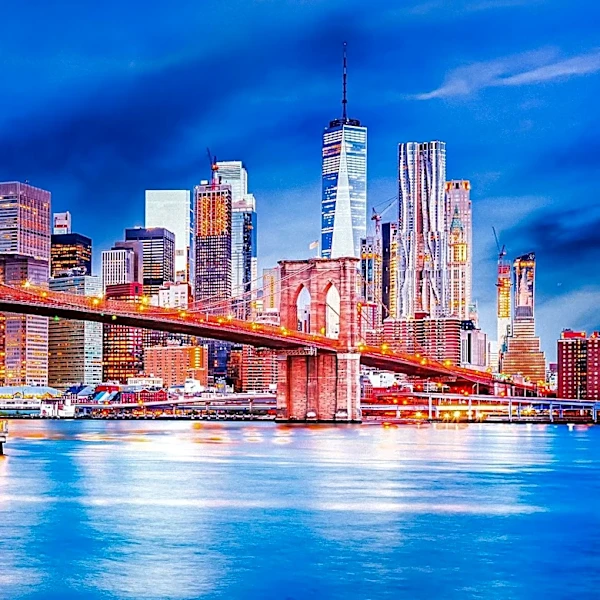
Anna Sacks, a long-time resident of the Upper West Side, has gained significant attention for her practice of 'trash walking,' where she salvages discarded items from the streets of New York City. Since 2018, Sacks has been documenting the volume of waste
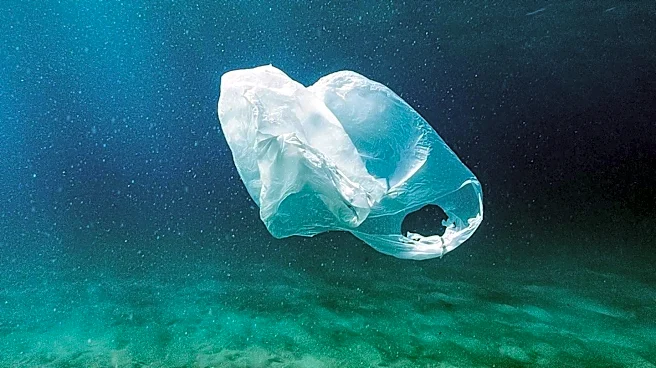
generated, particularly focusing on items that are still in usable condition. Her efforts, shared with a large online following of nearly 150,000 on Instagram and almost half a million on TikTok, aim to raise awareness about environmental waste. Sacks, a Columbia graduate and former investment banker, was inspired by a period spent on a regenerative farm, which highlighted the stark contrast with urban waste generation. She regularly finds valuable items, including a 1930s-era punch bowl set by Russel Wright, and repurposes or gives away many of her finds. While she continues her trash walking, albeit less frequently since becoming a new mother, her primary focus has shifted towards advocating for systemic change.
Why It's Important?
Sacks' initiative highlights a critical issue of waste management and overconsumption in urban environments, particularly in a major U.S. city like New York. Her work underscores the significant amount of usable goods that end up in landfills, representing both an environmental and economic loss. By publicly documenting these discards, she challenges consumer habits and the efficacy of current waste disposal systems. Her advocacy for an 'Office of Circularity' at the city government level could lead to policy changes that promote reuse, repair, and recycling, potentially creating green jobs and saving municipal funds. This movement could influence other U.S. cities to re-evaluate their waste management strategies, fostering a more circular economy and reducing the environmental footprint of urban populations. The engagement of local politicians, such as New York City Councilmember Gale Brewer, indicates a growing recognition of the need for innovative solutions to waste problems.
What's Next?
Anna Sacks is actively pursuing the establishment of an 'Office of Circularity' within New York City government. This proposed office would be dedicated to designing and implementing comprehensive reuse, repair, and recycling systems across various waste streams, including residential, school, government, and commercial sectors. Her proposals include microgrants for community swap events and a monthly free furniture day to facilitate the redistribution of large, usable items. Sacks recently met with New York City Councilmember Gale Brewer to discuss her free furniture day proposal, with the possibility of a pilot program being initiated. While Councilmember Brewer acknowledged the idea's merit, she also noted the logistical challenges involved. Sacks believes that even minor, cost-effective changes at the government level could have a disproportionately positive impact on waste reduction and community building. Her continued advocacy and public engagement will likely keep pressure on city officials to explore and implement these circular economy initiatives.
Beyond the Headlines
The 'trash walking' phenomenon, as exemplified by Anna Sacks, delves into deeper societal implications beyond mere waste reduction. It exposes the ethical dimensions of consumerism and the often-invisible consequences of a throwaway culture. The sheer volume of discarded, still-functional items raises questions about planned obsolescence, the psychological drivers of consumption, and the disconnect between product value and disposal practices. Furthermore, Sacks' transition from an investment banker to an environmental advocate highlights a growing trend of individuals seeking purpose-driven work that addresses pressing social and environmental issues. Her approach also touches upon the concept of 'urban foraging' and the potential for community-led initiatives to address systemic problems. The challenge lies not only in implementing new policies but also in shifting public perception and behavior towards valuing resources and embracing a more sustainable lifestyle, moving beyond the immediate convenience of disposal to a broader understanding of environmental stewardship.