





What's Happening?
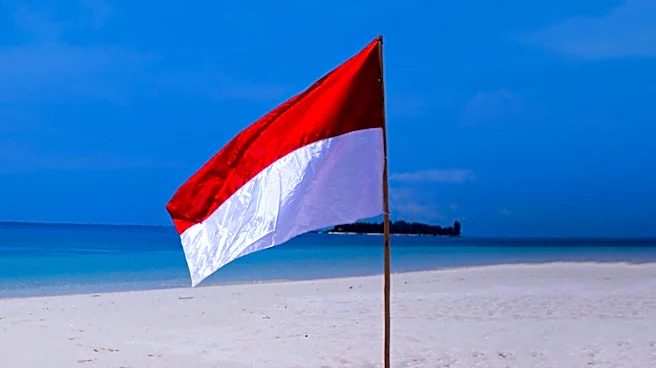
Indonesia is advocating for enhanced regional and global cooperation to tackle illegal, unreported, and unregulated (IUU) fishing. Maritime Affairs and Fisheries Minister Sakti Wahyu Trenggono emphasized this stance at the 7th Symposium on Global Maritime Cooperation
and Ocean Governance in Sanya, Hainan, China. As the world's largest archipelagic nation, Indonesia believes international collaboration is crucial for addressing various global maritime challenges. The forum, attended by nearly 400 representatives from over 30 countries, also saw Indonesia pushing for stronger marine conservation efforts, expanded marine research, and the development of an inclusive and sustainable blue economy. Minister Trenggono highlighted the 1982 United Nations Convention on the Law of the Sea (UNCLOS) as the foundational framework for international ocean governance. He also outlined Indonesia's five key blue economy policies, which include expanding marine conservation areas to 30% by 2045, implementing quota-based measured fishing, promoting sustainable aquaculture, strengthening coastal area and small island management, and engaging communities in reducing marine plastic waste. Indonesia has ratified the Biodiversity Beyond National Jurisdiction (BBNJ) Agreement and submitted its instrument of ratification in June 2025, underscoring its commitment to protecting marine biodiversity in areas beyond national jurisdiction.
Why It's Important?
Indonesia's call for global cooperation on illegal fishing and its emphasis on a sustainable blue economy hold significant implications for international maritime governance and environmental sustainability. IUU fishing poses a severe threat to marine ecosystems, depletes fish stocks, and undermines the livelihoods of legitimate fishers worldwide. By advocating for stronger international collaboration, Indonesia is pushing for a more unified and effective approach to combating these illicit activities, which could lead to healthier oceans and more sustainable fisheries globally. Furthermore, Indonesia's blue economy policies, such as expanding marine conservation and promoting sustainable aquaculture, offer a model for other nations seeking to balance economic development with environmental protection. The country's commitment to the BBNJ Agreement also highlights the growing global recognition of the need to protect marine biodiversity in areas beyond national jurisdiction, which are vital for the overall health of the planet's oceans. The success of these initiatives could set precedents for international law and cooperation in marine resource management, influencing global efforts to achieve sustainable development goals related to ocean health.
What's Next?
Following Indonesia's strong stance at the symposium, the immediate next steps will likely involve continued diplomatic efforts to garner support for its proposals. Indonesia will likely engage with other nations and international organizations to develop concrete action plans and strengthen existing frameworks for combating IUU fishing and promoting blue economy principles. This could include bilateral agreements, multilateral initiatives, and increased sharing of intelligence and best practices. The implementation of Indonesia's five key blue economy policies will also be closely watched, as their success could serve as a practical example for other countries. Furthermore, Indonesia will likely continue to advocate for the effective and equitable implementation of the BBNJ Agreement, encouraging other nations to ratify it and participate in its operationalization. The ongoing discussions and collaborations stemming from this symposium could lead to new international partnerships and strengthened commitments towards sustainable ocean governance, potentially influencing future international maritime policies and conservation efforts.
Beyond the Headlines
Beyond the immediate policy implications, Indonesia's leadership in advocating for global cooperation on maritime issues reflects a broader geopolitical shift where archipelagic and coastal nations are increasingly asserting their roles in shaping international ocean governance. This initiative underscores the intrinsic link between national sovereignty, economic prosperity, and environmental stewardship for countries heavily reliant on marine resources. The emphasis on a 'blue economy' also signifies a move towards integrating ecological sustainability with economic development, challenging traditional models that often prioritize exploitation over conservation. This approach could inspire a paradigm shift in how nations perceive and manage their marine territories, fostering a more holistic understanding of ocean health as a global common. Furthermore, Indonesia's proactive stance on marine plastic waste reduction and community involvement highlights the growing recognition of the importance of grassroots efforts and circular economy principles in achieving sustainable ocean management, potentially influencing global environmental movements and corporate social responsibility initiatives.