






What's Happening?
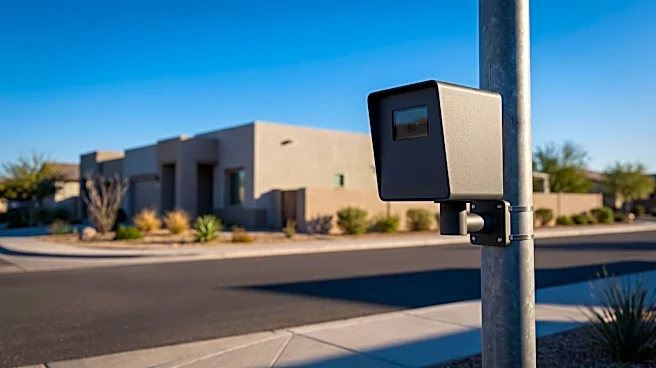
Columbus Mayor Andrew Ginther has announced the pausing of the city's Flock program, which utilizes automated license plate readers. This decision comes in response to increasing incidents of misuse, specifically citing improper application for immigration
enforcement and personal investigations. The city's contract with Flock is set to expire in December. During this pause, the program will cease gathering new data. The city intends to conduct a thorough investigation into the reported misuses and perform comprehensive audits of the program's implementation and data handling. This action reflects a growing concern over the privacy implications and potential for abuse associated with such surveillance technologies, prompting a reevaluation of their role in municipal law enforcement and public safety strategies.
Why It's Important?
The pausing of Columbus's Flock program carries significant implications for privacy rights, civil liberties, and the future of surveillance technology in U.S. cities. The reported misuse for immigration enforcement raises questions about local government overreach and potential violations of sanctuary city policies, if applicable, or general trust within immigrant communities. Furthermore, the use of such technology for 'personal investigations' highlights a critical vulnerability to abuse of power and potential for discrimination or targeting of individuals without due process. This development could influence other municipalities considering or currently employing similar surveillance systems to review their own policies and oversight mechanisms. It underscores the ongoing tension between public safety initiatives and the protection of individual freedoms, potentially leading to stricter regulations or even outright bans on certain types of surveillance technology if misuse becomes a widespread issue.
What's Next?
Following the pause, Columbus will undertake a comprehensive investigation into the reported misuses of the Flock program and conduct audits. The outcome of these reviews will likely determine the future of automated license plate readers in the city, especially given the contract's December expiration. It is probable that the city council and community groups will engage in discussions about potential policy changes, enhanced oversight, or alternative public safety measures. This situation could also prompt other U.S. cities to proactively examine their own surveillance programs, leading to a broader national conversation about data privacy, law enforcement technology, and accountability. Depending on the findings, there could be calls for state or federal guidelines to regulate the use of such technologies to prevent similar incidents of misuse.
Beyond the Headlines
The Columbus Flock program's suspension delves into the deeper societal debate surrounding the balance between security and privacy in the digital age. The incidents of misuse underscore the ethical challenges inherent in deploying powerful surveillance tools without robust safeguards and clear ethical guidelines. This situation could catalyze a re-evaluation of what constitutes 'public safety' and whether technological solutions, despite their efficiency, inadvertently erode fundamental rights. It also highlights the importance of public trust in government institutions and how quickly that trust can be undermined by perceived abuses of power. The long-term implications could include a shift towards more transparent and accountable governance in the realm of technology adoption, potentially fostering a new era of digital rights advocacy and policy-making at the local and national levels.