
What's Happening?
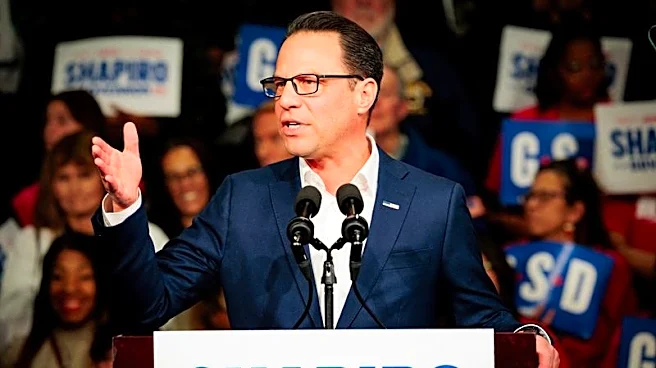
Pennsylvania Governor Josh Shapiro has taken a significant step to address rising utility costs by pressuring PECO Energy, the state's largest utility, to withdraw its proposals for increasing electric
and natural gas rates. In a letter dated April 29, Shapiro outlined new standards for utilities seeking rate hikes, emphasizing the need for a revised approach to utility regulation. The governor's actions aim to shift the focus from corporate profitability to consumer affordability and infrastructure development. Shapiro's letter calls for utilities to adjust their financial strategies, justify investments with cost-benefit analyses, and reduce equity returns that inflate rates. This move is seen as a direct challenge to the traditional utility business model, which often incentivizes excessive capital spending due to guaranteed returns on investments.
Why It's Important?
Governor Shapiro's initiative is significant as it addresses a critical issue affecting consumers nationwide: the affordability of utility services. By challenging the conventional rate-setting practices, Shapiro is advocating for a more consumer-friendly approach that could lead to lower utility bills. This action could set a precedent for other states, potentially leading to widespread regulatory changes in the utility sector. The move also highlights the tension between corporate interests and consumer protection, as utilities may face reduced revenues and profits under the new standards. Shapiro's actions could influence other policymakers to prioritize consumer affordability over corporate gains, impacting the financial strategies of utility companies across the U.S.
What's Next?
If other states follow Pennsylvania's lead, there could be a significant shift in how utilities operate nationwide. This could result in a recalibration of the utility industry's business model, focusing more on consumer needs and less on maximizing corporate profits. Additionally, Shapiro's actions may bolster his political profile, positioning him as a potential contender for the Democratic Party's presidential nomination in 2028. As other governors, like Maryland's Wes Moore, also take steps to reduce utility costs, there may be increased pressure on states like Illinois to adopt similar measures. The ongoing debate over utility regulation and consumer protection is likely to continue, with potential legislative and regulatory changes on the horizon.