






What's Happening?
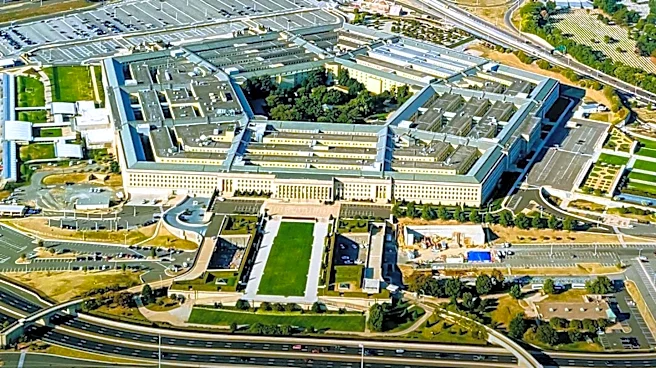
U.S. military officials have disabled advertising trackers on a range of phones and computers following reports that commercially available location data was being used to target American forces in West Asia. This development comes after U.S. Senator
Ron Wyden and U.S. Representative Pat Harrigan, a North Carolina Republican, sent a letter to the Pentagon requesting an investigation into the military's handling of location data trade dangers. The Air Force, U.S. Special Operations Command, and the Army have confirmed disabling these advertising identifiers on their devices. The Air Force did so two months prior, Special Operations Command 'recently' on Windows devices, and the Army confirmed mobile device ad IDs were disabled earlier this year. Senator Wyden has been pressing the Pentagon on this issue for months, highlighting the ineffectiveness of previous efforts to neutralize this threat. Representative Harrigan emphasized that U.S. adversaries should not be able to purchase information to track American troops.
Why It's Important?
This action by the U.S. military underscores a significant national security concern regarding the privacy and safety of military personnel. The collection and sale of location data by the advertising industry and data brokers pose a direct threat, as this information can be exploited to track and target service members in conflict zones. The move to disable advertising IDs aims to prevent adversaries from using readily available commercial data to compromise military operations or endanger personnel. This situation highlights the broader implications of data privacy in an increasingly connected world, where personal data, even seemingly innocuous advertising identifiers, can have critical security ramifications. It also brings to light the challenges faced by military and government entities in safeguarding sensitive information in an era of pervasive digital tracking.
What's Next?
The Pentagon has indicated it will respond directly to Senator Wyden and Representative Harrigan regarding their letter and the requested investigation. While disabling mobile advertising IDs (MAIDs) is a positive step, experts caution that military personnel might still be tracked through other, more complex methods, such as triangulating technical device details with network data or location information. This suggests that further measures may be necessary to ensure comprehensive protection against location tracking. Additionally, military officials are considering increasingly strict restrictions on overall phone usage, with some deployed personnel in West Asia potentially being ordered to surrender their phones due to concerns that mobile videos could aid adversaries in targeting American bases. This indicates a potential shift towards more stringent policies regarding personal electronic devices in military settings.
Beyond the Headlines
The issue of location data being used to track military personnel extends beyond immediate security concerns, touching upon ethical and legal dimensions of data privacy. The commercial data brokerage industry, which collects and resells personal data, operates within a complex regulatory landscape that often lags behind technological advancements. This incident highlights the need for a re-evaluation of how such data is collected, stored, and sold, especially when it pertains to individuals in sensitive roles like military service members. It also raises questions about the responsibility of technology companies and data brokers to protect user data from misuse, particularly when national security is at stake. The long-term implications could include increased calls for stricter data privacy regulations, not just for military personnel but for all citizens, to prevent the weaponization of personal information.