



What's Happening?
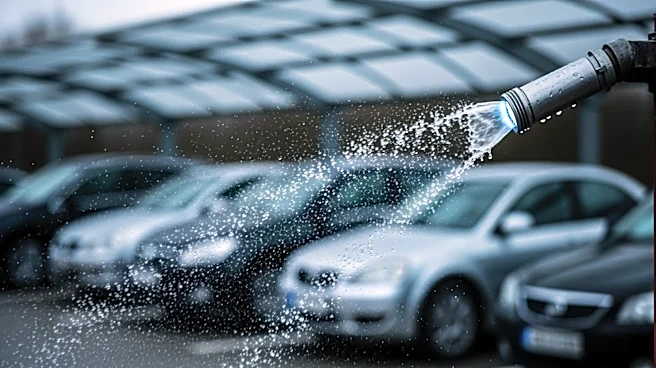
A fire suppression system at a Mobil gas station in Lindenhurst, Long Island, accidentally activated, releasing a white compound that covered several cars. The incident was reported by local police, who confirmed that the system malfunctioned, leading
to the unexpected discharge. The fire suppression systems in gas stations are designed to release a fire-retardant substance in the event of a fire, but in this case, it was triggered without any fire present. The white compound, typically a dry chemical or foam, is used to suppress fires by cutting off the oxygen supply. The malfunction did not result in any injuries, but it did cause inconvenience to the vehicle owners who found their cars covered in the substance.
Why It's Important?
The malfunction of the fire suppression system highlights potential issues with safety equipment maintenance and reliability. Such systems are critical in preventing fires at gas stations, which can be highly dangerous due to the presence of flammable materials. The incident underscores the importance of regular maintenance and checks to ensure that safety systems function correctly and only when necessary. For vehicle owners, the unexpected discharge can lead to additional costs for cleaning and potential damage to the car's exterior. This event may prompt gas station operators to review their safety protocols and maintenance schedules to prevent similar occurrences in the future.
What's Next?
Following the incident, it is likely that the gas station will conduct a thorough investigation to determine the cause of the malfunction. This may involve checking the system's sensors and control mechanisms to ensure they are functioning correctly. The station may also need to coordinate with the fire suppression system manufacturer for a detailed inspection and possible recalibration or replacement of faulty components. Additionally, affected vehicle owners might seek compensation for cleaning and any damages incurred. This incident could lead to increased scrutiny of fire suppression systems in other gas stations across the region, prompting regulatory bodies to issue guidelines or mandates for more frequent inspections.