








What's Happening?
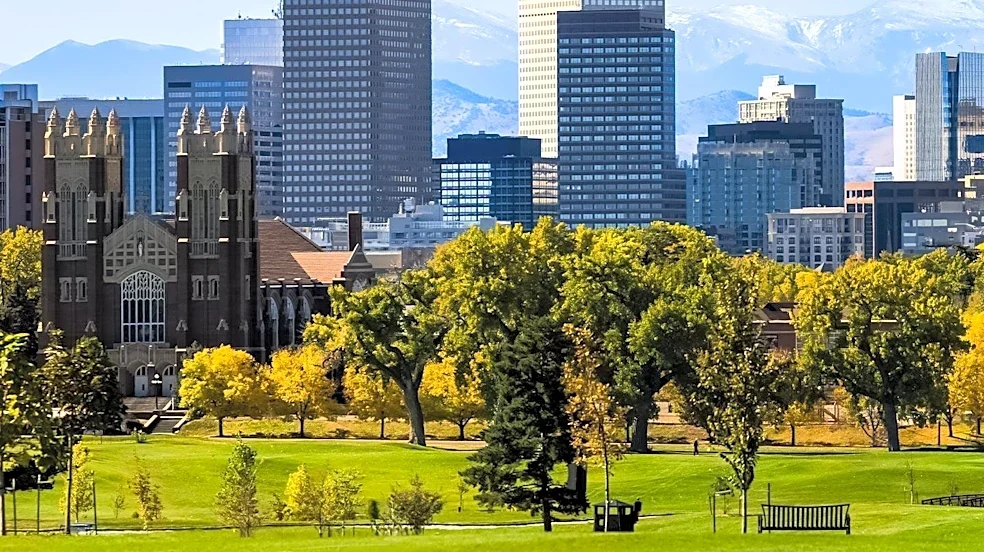
A new report, authored by world-renowned urbanist Richard Florida for the Downtown Denver Partnership, indicates that Denver is uniquely positioned in the post-COVID era. The report highlights a significant recovery in the city's foot traffic, suggesting
a robust return to urban activity. This analysis provides insights into how Denver has adapted and is thriving in the period following the pandemic, contrasting with some other urban centers that have struggled with recovery. The findings suggest that Denver's urban planning, economic resilience, and community engagement have contributed to its strong rebound. The report likely examines various factors such as remote work trends, population shifts, and local economic policies that have shaped the city's current trajectory. This positive assessment offers a forward-looking perspective on Denver's urban development and its potential as a model for other cities navigating similar post-pandemic challenges.
Why It's Important?
This report is important because it offers a significant case study for urban recovery and resilience in the U.S. post-pandemic landscape. Denver's demonstrated ability to regain substantial foot traffic and position itself uniquely provides valuable lessons for other cities grappling with economic and social shifts. The findings can influence urban planning strategies, public policy decisions, and investment priorities across the nation, as city leaders seek to revitalize their downtown areas. For businesses, especially those in retail, hospitality, and real estate, Denver's success signals potential opportunities and validates strategies focused on urban core development. The report also underscores the importance of adaptability and strategic planning in maintaining urban vitality, offering a positive outlook on the future of American cities that can effectively respond to evolving challenges and opportunities.
What's Next?
Following this report, Denver city officials and the Downtown Denver Partnership are likely to leverage these findings to further enhance urban development and attract investment. This could lead to new initiatives aimed at sustaining foot traffic, supporting local businesses, and improving public spaces. Other U.S. cities may study Denver's strategies and attempt to replicate its successes, potentially fostering inter-city dialogues on best practices for post-pandemic urban recovery. The report could also influence real estate trends, with increased interest from developers and businesses looking to establish a presence in Denver. Furthermore, urban planners and policymakers might use this data to advocate for specific funding or policy changes that support urban revitalization efforts, both locally and at a national level, as cities continue to adapt to new economic and social realities.
Beyond the Headlines
Beyond the immediate economic implications, this report touches on deeper societal shifts in how Americans interact with urban spaces post-pandemic. Denver's recovery suggests a continued desire for vibrant city life, challenging earlier predictions of a permanent exodus from urban centers. This indicates a potential re-evaluation of the value of physical community and shared public spaces in an increasingly digital world. The report implicitly highlights the importance of local governance and community partnerships in fostering resilience, suggesting that cities with strong collaborative frameworks are better equipped to navigate crises. Ethically, it raises questions about equitable urban development, ensuring that revitalization benefits all residents and prevents displacement. Culturally, Denver's success could reinforce a narrative of urban adaptability and innovation, influencing how future generations perceive and engage with city living across the U.S.