
What's Happening?
Connecticut's transit system is undergoing significant upgrades and experiencing both progress and setbacks. New train stations are being built in Windsor Locks and Enfield, with Naugatuck also slated
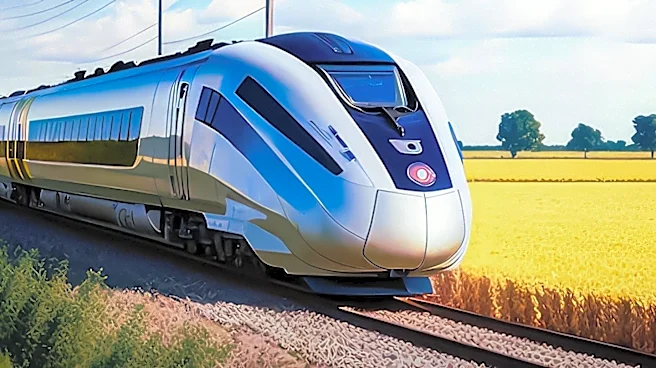
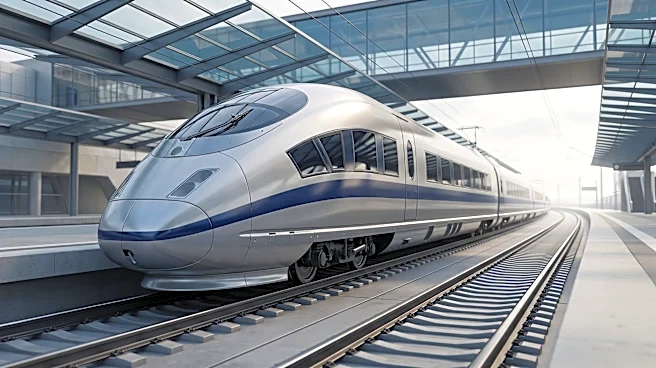
for a new station as the Waterbury line remains closed until May 2027 for major improvements. Renovations are underway at New Haven's Union Station, and 60 new railcars from Alstom are expected for testing later this year. Metro-North ridership has recovered to about 90% of pre-COVID levels, with strong weekend numbers and nearly 98% on-time performance. However, Shore Line East service and ridership have not returned to pre-2020 levels, with the Connecticut Department of Transportation reverting to diesel locomotives due to disputes with Amtrak over overhead wire usage. Commuter rail fares increased by 10% in 10 months, and major projects like the Walk rail bridge replacement in Norwalk face delays, now projected for completion in 2031 instead of 2029. Several long-promised projects, including the electrification of various rail lines and new train stations, remain unfunded or in perpetual study phases.
Why It's Important?
The state of Connecticut's transit system directly impacts commuters, economic development, and environmental goals. While upgrades like new stations and railcars aim to improve service and capacity, persistent delays, funding shortfalls, and fare increases create challenges for riders. The return to diesel on Shore Line East, for instance, negates environmental benefits and potentially deters riders. The ongoing conflict between Amtrak and Metro-North further complicates regional rail integration and efficiency. Significant spending on infrastructure projects, such as the $113 million per mile for track upgrades between Bridgeport and Stratford, highlights the high cost of modernizing aging infrastructure. The reliance on studies over concrete solutions for long-standing issues suggests a lack of decisive action, which can erode public trust and hinder the state's ability to develop a robust, reliable, and sustainable transportation network essential for economic competitiveness and quality of life.
What's Next?
The Waterbury line is expected to reopen in May 2027 following major upgrades, which should improve service for commuters on that route. The arrival of new Alstom railcars later this year will initiate testing, potentially leading to their integration into service and an improved rider experience. However, the ongoing issues with Shore Line East and the unresolved disputes between Amtrak and Metro-North indicate that these challenges will likely persist, requiring further negotiation or policy intervention. The delayed completion of the Walk rail bridge replacement in Norwalk means continued disruptions for commuters in that corridor. Future fare adjustments could occur if the state continues to underfund the rail system. The fate of unfunded projects, such as the electrification of various rail lines and the West Hartford train station, will depend on future legislative appropriations and political will.
Beyond the Headlines
The recurring theme of extensive studies without subsequent implementation, as seen with the Hartford viaduct and various rail electrification plans, points to a deeper issue within Connecticut's infrastructure planning and execution. This pattern suggests a political environment where initiating studies is more feasible than securing the substantial, long-term funding and political consensus required for large-scale infrastructure projects. The disconnect between projected surpluses in the Special Transportation Fund and simultaneous fare hikes raises questions about financial transparency and prioritization within the state's transportation budget. Furthermore, the tragic deaths of seven highway workers in six years underscore critical safety concerns for those maintaining the state's infrastructure, highlighting the human cost of ongoing construction and maintenance efforts. This situation reflects a broader national challenge of maintaining and upgrading aging infrastructure while balancing fiscal constraints and political pressures.