








What's Happening?
Elon Musk has come under scrutiny for his role in dismantling the US Agency for International Development (USAID), which has been linked to a weakened response to the Ebola outbreak in the Democratic Republic of the Congo (DRC). Critics, including former
USAID official Jeremy Konyndyk, argue that Musk's cuts have significantly hindered global health efforts, leading to increased suffering and death. Musk's actions, through the short-lived US 'department of government efficiency' (Doge), have been criticized for reducing surveillance and preparedness for Ebola outbreaks. Despite Musk's claims that no deaths can be directly attributed to these cuts, experts like Davide Rasella from the Barcelona Institute for Global Health assert that the scale of the impact is significant, with millions of potential deaths over the coming years.
Why It's Important?
The dismantling of USAID programs under Musk's influence has broader implications for global health and humanitarian efforts. The cuts have affected health, nutrition, and education programs worldwide, potentially leading to millions of deaths, including child fatalities. This situation highlights the critical role of USAID in global health security and the potential consequences of reducing such aid. The controversy also raises questions about the influence of private individuals on public policy and the ethical considerations of such actions. The potential long-term impact on international relations and the U.S.'s role in global health initiatives is significant, as these cuts could undermine trust and cooperation with other nations.
What's Next?
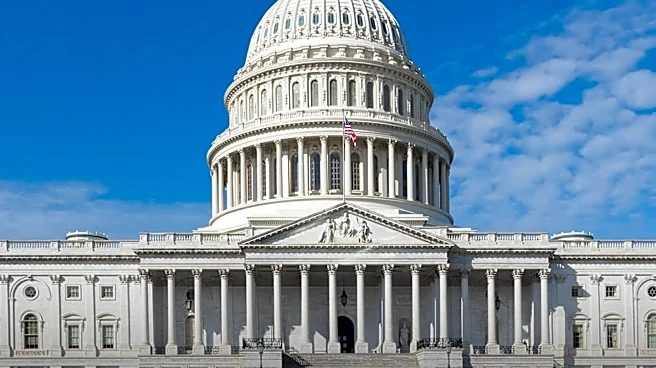
There is still an opportunity to mitigate the negative effects of the USAID cuts. Congress has the power to intervene and restore funding to critical programs, potentially averting some of the worst outcomes. The ongoing debate may prompt legislative action to ensure the continuity of essential aid programs. Additionally, the situation may lead to increased scrutiny of private influence on public policy and the need for safeguards to protect vital public services. The response from political leaders and civil society will be crucial in determining the future of U.S. foreign aid and its impact on global health.
Beyond the Headlines
The dismantling of USAID programs underlines the ethical and legal challenges of allowing private individuals to significantly influence public policy. The situation raises questions about accountability and the balance of power between private interests and public welfare. The potential long-term shifts in U.S. foreign aid policy could redefine the country's role in global health and humanitarian efforts. This development also highlights the importance of maintaining robust public institutions to address global challenges effectively.