








What's Happening?
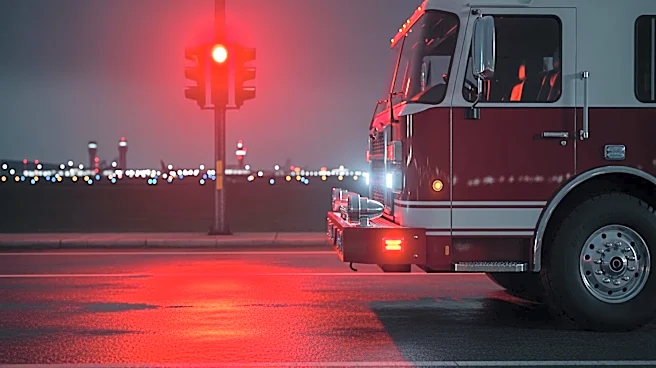
On March 22, 2026, a tragic aviation accident occurred at New York's LaGuardia Airport, resulting in the deaths of two pilots and injuries to dozens. The crash involved an Air Canada Express jet and an Airport Rescue and Fire Fighting (ARFF) truck on the runway.
The National Transportation Safety Board (NTSB) released a preliminary report indicating that miscommunication among critical parties was a significant factor. The report also highlighted a shortage of air traffic controllers and the lack of transponders on ARFF vehicles as contributing factors. Aviation attorneys Robert Clifford and Kevin Durkin have commented on the systemic issues revealed by the crash, emphasizing the need for improved air traffic control and ground vehicle protocols.
Why It's Important?
The LaGuardia crash underscores ongoing safety challenges within the U.S. aviation industry, particularly concerning air traffic control staffing and ground vehicle management. The incident has prompted calls for enhanced safety measures and accountability from entities like the Federal Aviation Administration and the Port Authority of New York and New Jersey. The crash has also raised awareness about the critical need for transponders on ARFF vehicles to prevent similar tragedies. The broader implications include potential legal actions from victims' families and a reevaluation of safety protocols at airports nationwide.
What's Next?
The NTSB is expected to continue its investigation, with a final report on the crash's probable cause anticipated next year. This ongoing investigation may lead to policy changes and increased scrutiny of air traffic control operations and ground vehicle management at airports. Legal actions from affected families and passengers are likely, which could result in significant settlements and further pressure on aviation authorities to implement safety improvements.