




What's Happening?
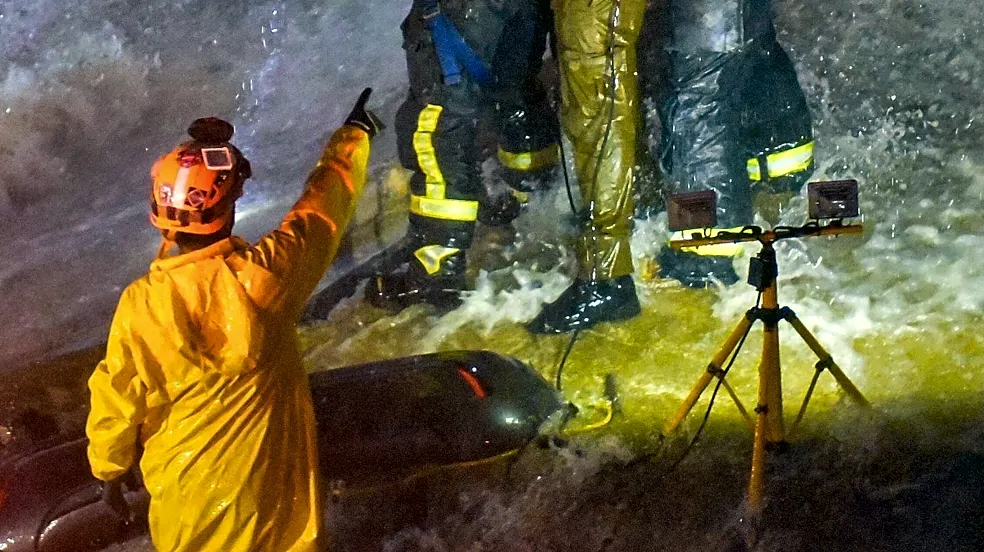
A routine flood coverage assignment for Australian broadcaster ABC turned into a dramatic rescue when TV reporter Will Murray and a bystander, Daniel Hainey, saved a man from his sinking vehicle. The incident occurred near Brisbane, Australia, after the
driver attempted to navigate through high water, causing his car to stall and rapidly begin to submerge. Murray and Hainey immediately entered the water and swam towards the vehicle. Upon reaching the car, they initially tried to open the closest door without success. Murray then attempted the passenger side rear door, placing his feet against the car and pulling with significant force, which caused the door to swing open. Camera operator Liz Pickering filmed the entire rescue, stating that the pair "definitely saved that man's life."
Why It's Important?
This event underscores the immediate dangers posed by natural disasters like floods and highlights the critical role of quick thinking and bravery in emergency situations. It also showcases the unexpected circumstances that can arise during news reporting, where journalists often find themselves on the front lines of unfolding events. The rescue serves as a powerful reminder of community spirit and the willingness of individuals to risk their own safety to help others in distress. For the public, it reinforces the importance of heeding warnings about hazardous conditions, such as flooded roads, to prevent such life-threatening situations. The incident also brings attention to the broader issue of flood preparedness and response, both for emergency services and the general public, in regions prone to severe weather events.
What's Next?
While the immediate crisis has been resolved with the successful rescue, the incident may prompt further discussions on public safety campaigns regarding driving in floodwaters and the responsibilities of individuals during natural disasters. Local authorities might review signage and warnings in flood-prone areas to prevent similar occurrences. The actions of the reporter and bystander could be recognized with awards for bravery. For the news organization, this event will likely be highlighted as an example of journalistic dedication and community service, potentially influencing future reporting guidelines in hazardous environments. The rescued driver will likely face the consequences of his decision to drive through floodwaters, which could include vehicle damage and potential legal repercussions depending on local laws.
Beyond the Headlines
This story transcends a simple rescue, touching upon themes of civic duty, human courage, and the evolving role of media in society. In an era where news is often consumed digitally, this event reminds us of the tangible, on-the-ground risks faced by reporters and the profound impact they can have beyond just delivering information. It also subtly highlights the ethical considerations for journalists in such situations—whether to remain objective observers or to intervene. The bystander's spontaneous act of heroism further emphasizes the inherent human capacity for altruism, even in dangerous circumstances. The incident could also spark broader conversations about the psychological impact of witnessing and participating in traumatic events, both for the rescuers and the victim, and the support systems available for those involved.