



What's Happening?
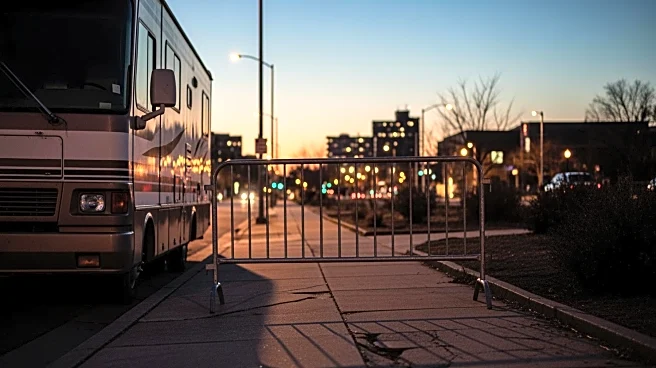
A Superior Court judge has halted the city of Los Angeles' initiative to dismantle and destroy inoperable recreational vehicles (RVs) used by the homeless. The ruling, delivered by Judge Curtis A. Kin, determined that Los Angeles lacks the legal authority
to implement Assembly Bill 630, which permits the dismantling of abandoned RVs in certain jurisdictions. The bill, signed into law by Governor Gavin Newsom, allows Los Angeles and Alameda counties to dismantle RVs valued up to $4,000, bypassing the auction process required for vehicles worth more than $500. The decision was celebrated by homeless advocates who argued that the law would facilitate the seizure of vehicles serving as essential shelter for the unhoused. City officials, however, expressed concern that the ruling impedes efforts to address public health and safety issues associated with abandoned RVs.
Why It's Important?
The judge's decision underscores the ongoing tension between city efforts to manage public spaces and the rights of homeless individuals who rely on RVs for shelter. The ruling highlights the legal complexities cities face when attempting to address homelessness through vehicle removal. For Los Angeles, this decision could delay or complicate efforts to clear streets of inoperable vehicles, which some officials argue pose safety risks. The outcome may influence future legislative actions and city policies regarding homelessness and public space management. It also raises questions about the balance between enforcing public health measures and protecting the rights of vulnerable populations.
What's Next?
In response to the ruling, Los Angeles city officials, including City Councilmember Traci Park, have expressed intentions to work with state lawmakers to amend the law to include the city. Assembly Member Mark Gonzalez, who authored AB 630, is reportedly drafting new legislation to extend the authority to all 88 cities within Los Angeles County. This legislative effort aims to address concerns about crime and public safety associated with abandoned RVs while ensuring that homeless individuals receive necessary services. The ongoing legal and legislative developments will likely continue to shape the city's approach to managing homelessness and public safety.