






What's Happening?
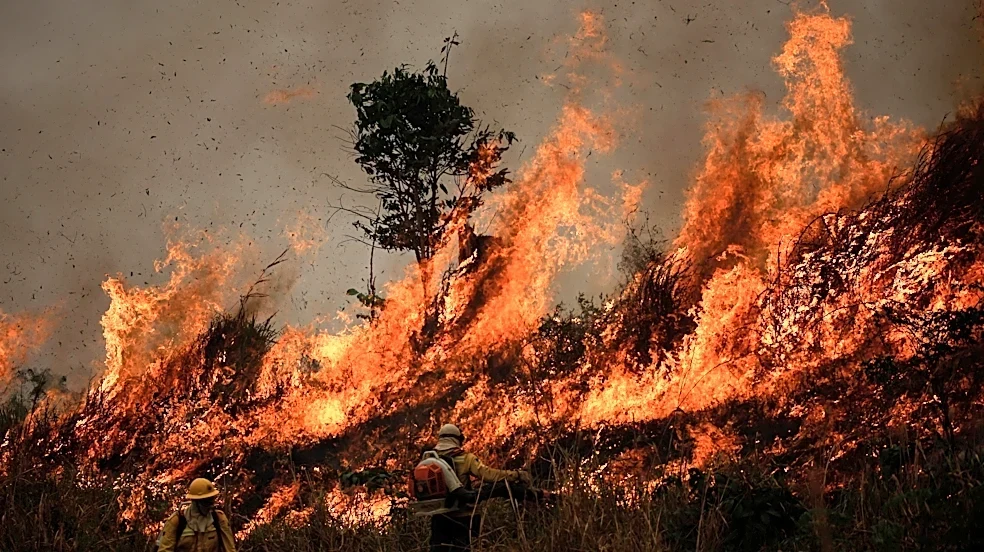
Thousands of students across Indonesia have been protesting the government's handling of a severe toxic haze that has blanketed multiple cities and spread across Southeast Asia. The haze, primarily caused by forest and peatland fires, is the worst on record
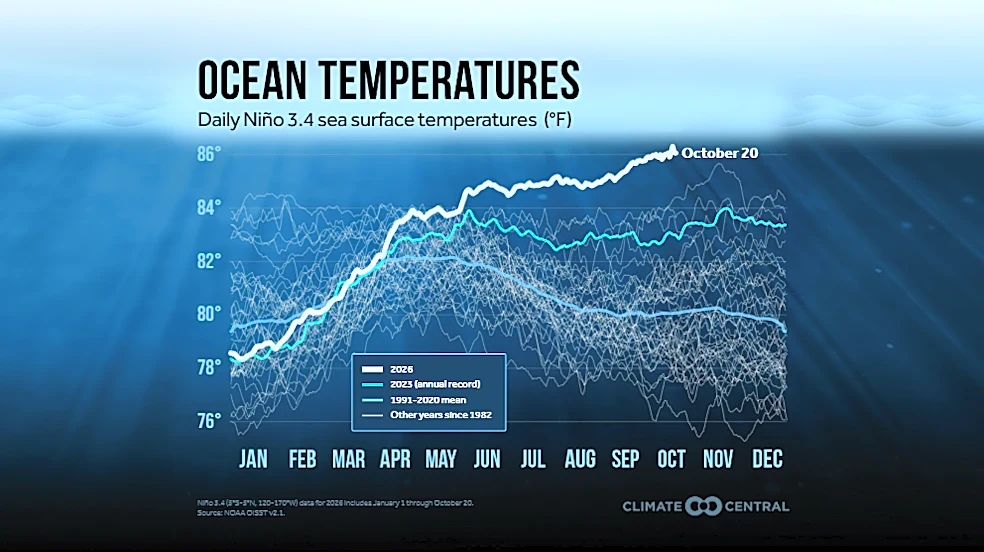
this year, exacerbated by extreme heat, climate change, and an intensifying El Niño. Protests have occurred in over half a dozen Indonesian cities, including on the island of Borneo where many fires are burning. Demonstrators, some wearing thick masks, are demanding that Indonesian President Prabowo Subianto declare a national emergency and implement more aggressive measures to prevent agricultural practices that fuel the blazes. The Ministry of Health reports that over 333,470 residents have suffered acute respiratory illnesses in seven affected provinces since mid-August. Student-led protests have also merged with ongoing demonstrations concerning Indonesia's struggling economy, with calls for officials to be held accountable.
Why It's Important?
This environmental crisis highlights the significant public health and economic vulnerabilities faced by Indonesia and the broader Southeast Asian region due to climate change and unsustainable agricultural practices. The widespread respiratory illnesses underscore a severe public health emergency, placing immense strain on healthcare systems and impacting the daily lives of hundreds of thousands. Economically, the haze disrupts various sectors, including tourism and agriculture, and could deter foreign investment. The protests reflect growing public dissatisfaction with government responses to environmental disasters and economic challenges, potentially leading to political instability. The transboundary nature of the haze also strains diplomatic relations within the Association of Southeast Asian Nations (ASEAN), as neighboring countries like Singapore and Malaysia are severely affected, leading to calls for regional cooperation and accountability.
What's Next?
Protesters are demanding that Indonesian President Prabowo Subianto declare a national emergency, which would likely trigger a more coordinated and robust government response, including increased resources for firefighting and public health interventions. The government faces pressure to implement stricter regulations on agricultural practices, particularly those involving slash-and-burn techniques, and to hold responsible parties accountable. Neighboring countries, including Singapore, are taking legal action against Indonesian companies believed to be causing the fires, which could escalate diplomatic tensions and necessitate regional dialogues on environmental governance. The ongoing protests may continue to merge with broader economic grievances, potentially leading to sustained civil unrest and calls for political reform. The effectiveness of future interventions will largely depend on the severity of the El Niño phenomenon and the commitment of regional governments to collaborative solutions.
Beyond the Headlines
The recurring haze crisis in Indonesia exposes deeper issues related to land use, climate policy, and regional governance. The practice of clearing land for farming through burning, while economically beneficial for some, has devastating long-term environmental and health consequences, disproportionately affecting vulnerable populations. The crisis also underscores the ethical dilemma of economic development versus environmental protection, particularly in developing nations. The lack of effective regional mechanisms to address transboundary pollution highlights the challenges of collective action in the face of national sovereignty and economic interests. Furthermore, the merging of environmental protests with economic grievances suggests a growing public awareness of the interconnectedness of these issues, potentially fostering a more robust civil society movement demanding holistic policy changes that prioritize both ecological sustainability and social equity.