




What's Happening?
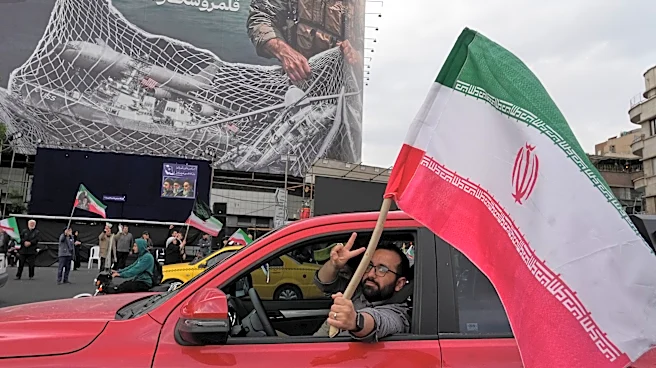
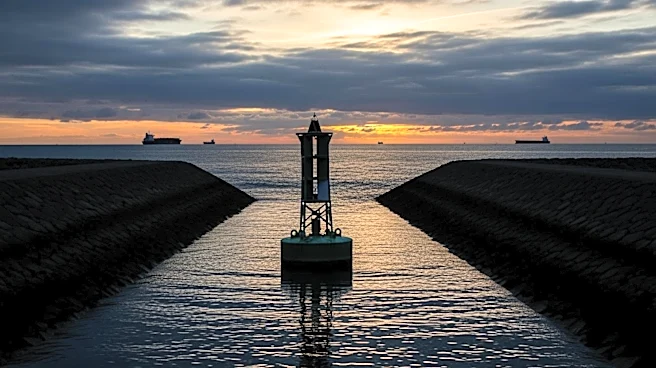
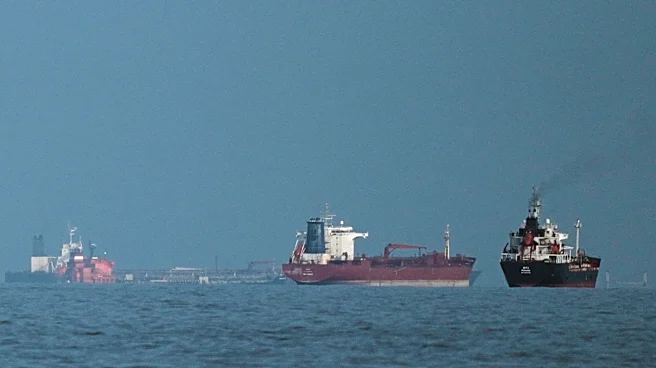
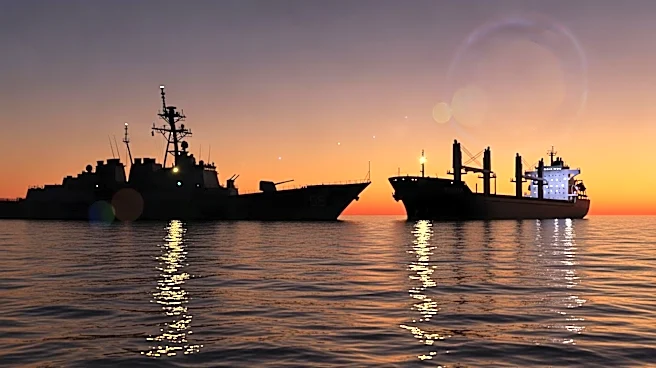
The United States and Iran are contemplating a two-week extension of their current ceasefire to facilitate further negotiations on a peace agreement. This development comes amid heightened tensions over the Strait of Hormuz, a vital waterway for global
oil and gas transit, which has been effectively closed since the onset of hostilities nearly seven weeks ago. The U.S. has implemented a naval blockade to prevent Iranian shipments, while Iran has restricted passage through the strait. The initial ceasefire, announced by President Trump, is set to expire next week, prompting mediators to seek technical discussions to address key issues, including the reopening of Hormuz and the future of Iran's nuclear program. The situation remains precarious, with the U.S. deploying additional troops to the Middle East as a strategic measure.
Why It's Important?
The potential extension of the ceasefire between the U.S. and Iran is significant due to its implications for regional stability and global energy markets. The Strait of Hormuz is a critical chokepoint for oil and gas shipments, and its closure has already led to a significant reduction in transit, exacerbating an energy supply crisis with global economic repercussions. A prolonged standoff could further destabilize the region and disrupt international oil markets, leading to increased prices and economic uncertainty. The negotiations also hold broader geopolitical implications, as they involve discussions on Iran's nuclear program, a contentious issue that has long been a point of tension between Iran and Western powers. Successful negotiations could pave the way for a more stable Middle East, while failure could lead to renewed conflict and further economic disruption.
What's Next?
As the ceasefire nears its expiration, mediators are working to facilitate technical talks aimed at resolving the most contentious issues. The U.S. is reportedly preparing for potential military action if negotiations fail, with additional troops being deployed to the region. Meanwhile, Iran has indicated that it views the continuation of the U.S. blockade as a potential breach of the ceasefire, threatening to halt all exports and imports in the Persian Gulf and surrounding areas if the blockade persists. The outcome of these negotiations will be crucial in determining the future of U.S.-Iran relations and the stability of the region. Observers will be closely watching for any signs of progress or escalation in the coming days.