
What's Happening?
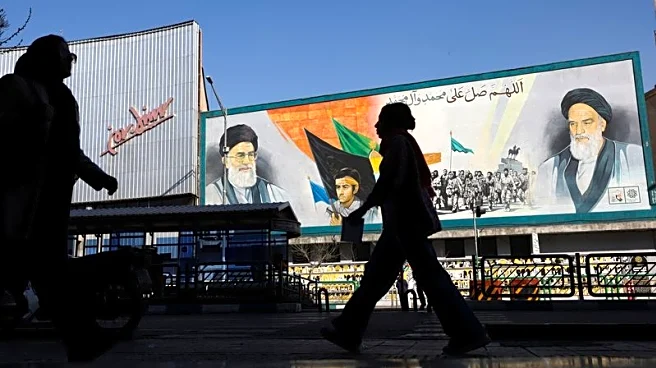
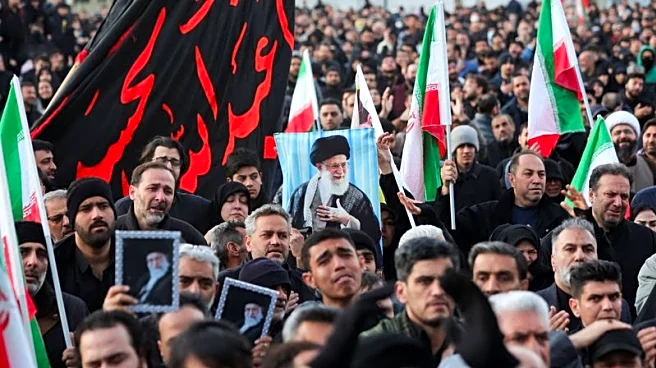
The CIA tracked the movements of Iranian Supreme Leader Ayatollah Ali Khamenei and other senior Iranian leaders for months before a joint U.S.-Israeli strike. This intelligence, shared with Israeli officials, influenced the timing of the strikes, which
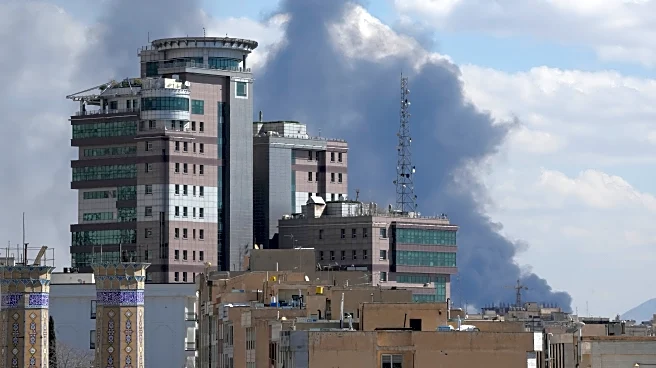
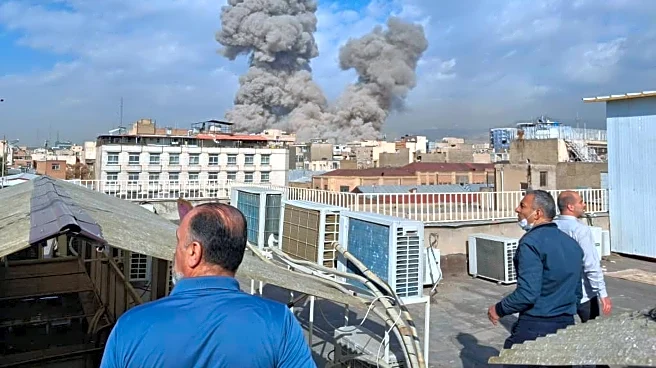
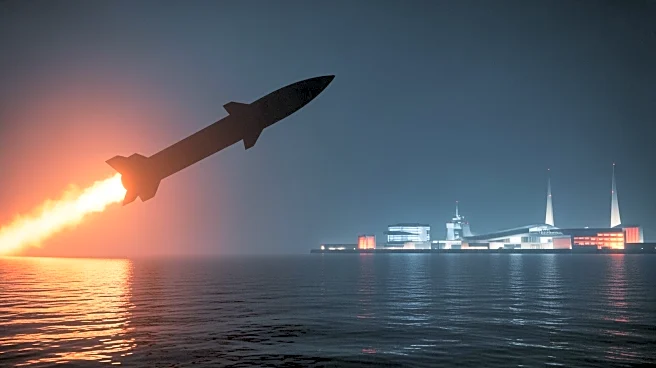
resulted in the death of Khamenei and other senior officials. The operation marked a significant escalation in the conflict, leading to retaliatory actions from Iran, including missile and drone attacks on Israel and Gulf Arab states hosting U.S. forces. The strikes have disrupted air travel across the Middle East and raised concerns over global energy markets, particularly as about 20% of the world's traded oil passes through the Strait of Hormuz.
Why It's Important?
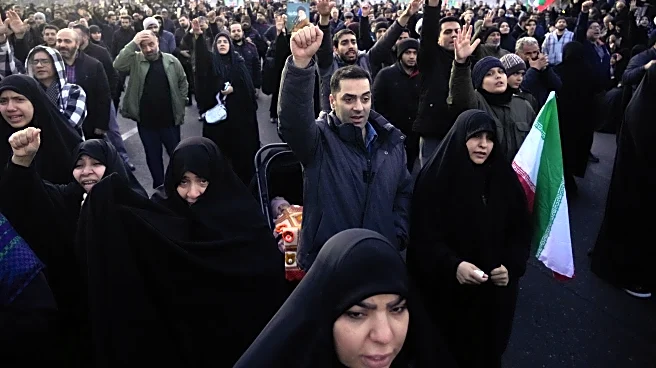
The death of Ayatollah Ali Khamenei, who held ultimate authority over Iran's military, nuclear, and foreign policy decisions, creates a leadership vacuum that could deepen regional instability. The conflict has significant implications for global energy markets, as the Strait of Hormuz is a critical passage for oil trade. The escalation also poses a risk of further military confrontations in the region, potentially involving U.S. and Israeli forces. The situation underscores the strategic importance of intelligence sharing between the U.S. and its allies and highlights the potential for increased military and economic tensions.
What's Next?
Iranian authorities have begun the process of selecting a new supreme leader, with a temporary leadership council governing in the interim. The international community is closely monitoring the situation, as further retaliatory actions from Iran could lead to broader regional conflict. The U.S. and its allies may need to prepare for potential disruptions in global oil supply and increased military engagements. Additionally, diplomatic efforts may be necessary to de-escalate tensions and prevent further escalation.