
What's Happening?
NASA is set to host a public event at the Mary W. Jackson NASA Headquarters in Washington, D.C., to discuss the execution of President Donald J. Trump's National Space Policy. The event, scheduled for 9 a.m. EDT on March 24, will feature NASA Administrator
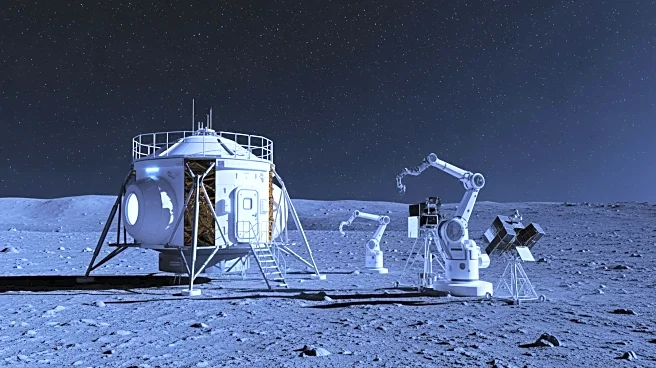
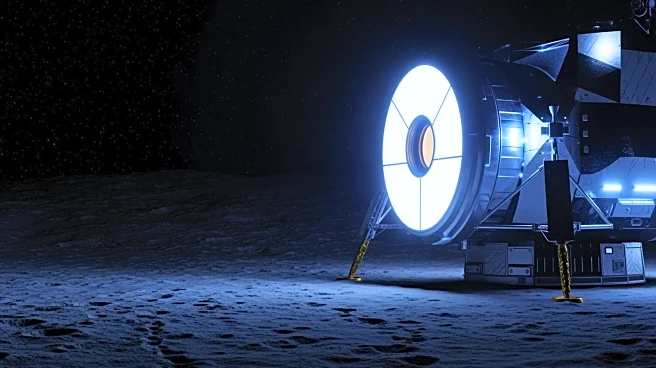
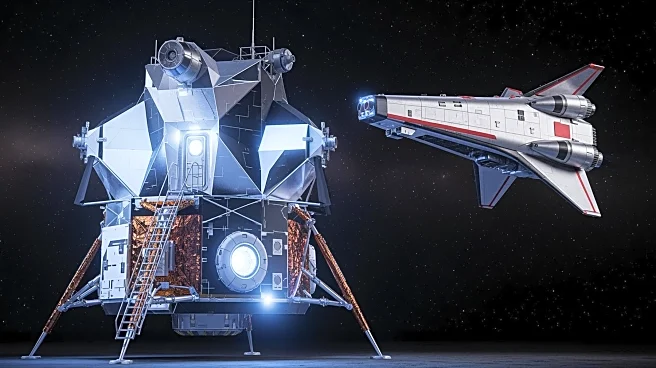
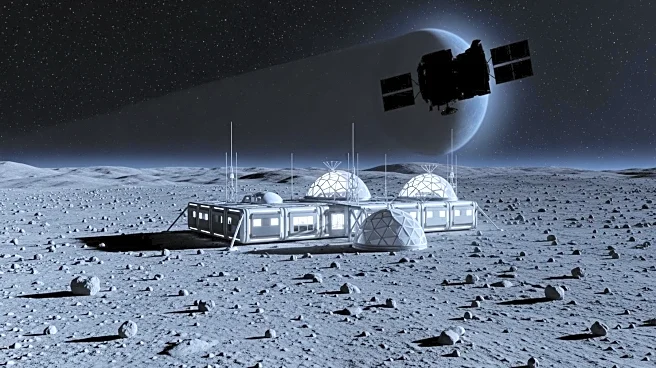
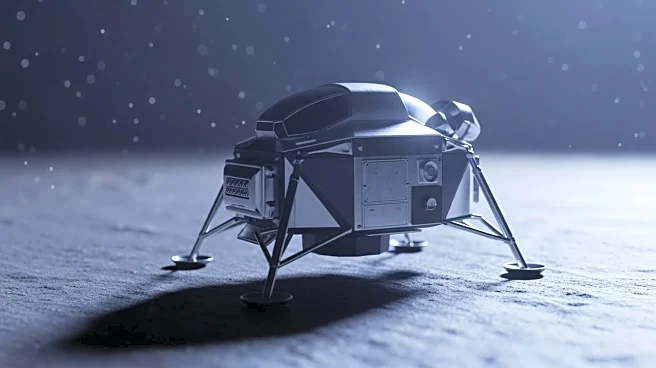
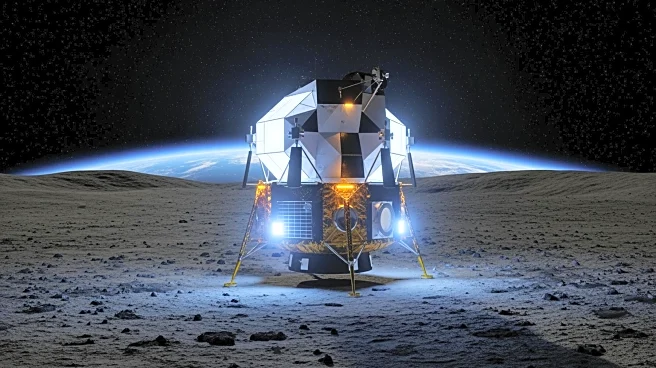
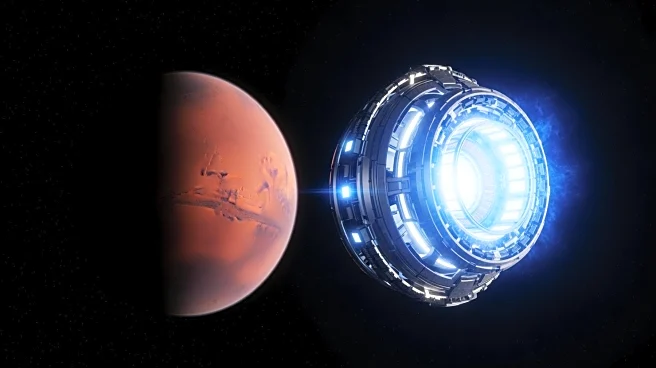
Jared Isaacman and a series of high-level panels. The discussions will focus on mission priorities, including sending astronauts to the lunar surface for the first time in over 50 years, establishing a permanent lunar base, and advancing nuclear propulsion in space. This initiative is part of NASA's broader goal to return to the Moon by 2028, with monthly lunar landings anticipated to begin in 2027.
Why It's Important?
This announcement is significant as it marks a pivotal step in the U.S. space program's efforts to re-establish a human presence on the Moon. The initiative aligns with President Trump's vision of enhancing American leadership in space exploration. The focus on nuclear propulsion and a permanent lunar base could have far-reaching implications for future space missions, potentially facilitating deeper space exploration, including missions to Mars. The program also underscores the competitive nature of the 'second space race,' as nations vie for technological and exploratory dominance in space.
What's Next?
Following the event, NASA is expected to provide more detailed plans and timelines for the lunar missions. Key stakeholders, including government officials, space industry leaders, and international partners, will likely respond to the announcements, potentially influencing future collaborations and funding decisions. The development of nuclear propulsion technology and the establishment of a lunar base will require significant investment and innovation, prompting discussions on resource allocation and international cooperation.
Beyond the Headlines
The push for lunar exploration raises questions about the ethical and environmental implications of space colonization. The establishment of a permanent lunar base could lead to debates on space governance, resource utilization, and the preservation of extraterrestrial environments. Additionally, the focus on nuclear propulsion highlights the need for robust safety measures and regulatory frameworks to manage the associated risks.