




What's Happening?
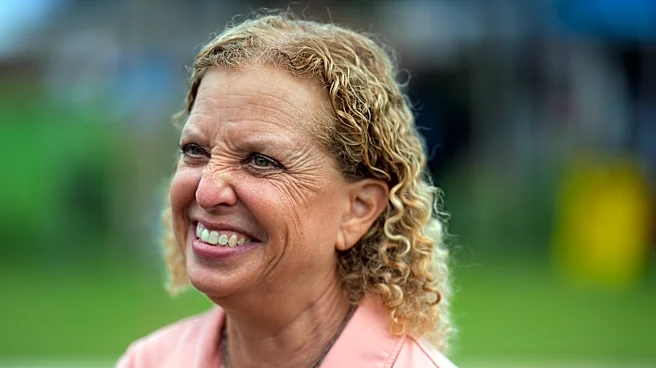
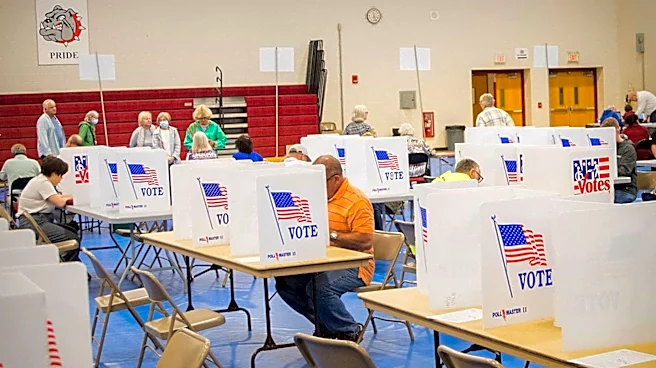
Early voting in Wyoming's primary election is trailing the historic turnout seen in 2022, despite several high-profile open races for governor, U.S. Senate, and U.S. House. County clerks across the state, including Debra Lee of Laramie County, have noted
a decrease in early ballots cast compared to two years ago. Officials attribute the lower turnout partly to the absence of a highly contentious race like the 2022 contest between Liz Cheney and Harriet Hageman, which garnered national attention and significantly boosted participation. Additionally, a 2023 election law change shortened the early and absentee voting period from 45 days to 28 days, which some clerks believe has contributed to the reduced numbers. Voters have also expressed frustration with new election laws, such as the requirement to change party affiliation before candidates file for office and a 30-day residency rule, which have caught some residents by surprise. While some counties, like Teton, have seen an uptick in in-person early voting recently, absentee ballot numbers are generally down across the state.
Why It's Important?
The observed decline in early voter turnout in Wyoming's primary election is important as it reflects the impact of specific political dynamics and recent legislative changes on voter engagement. The 2022 primary, driven by the high-stakes Cheney-Hageman race, set an unusually high benchmark, making comparisons challenging. However, the current trend suggests that without such a galvanizing contest, voter participation may revert to more typical levels. The 2023 election law changes, particularly the shortened early voting period and the deadline for party affiliation changes, are directly affecting how and when Wyomingites cast their ballots. These changes, intended to curb crossover voting and streamline election administration, are also causing confusion and frustration among some voters, as reported by clerks like Debra Lee. This situation highlights the delicate balance between election integrity measures and voter accessibility, and how legislative adjustments can inadvertently create barriers or disincentives for participation, even in a state with a strong civic tradition.
What's Next?
With Monday marking the final day for early voting, the focus will shift to Election Day itself to determine the overall turnout for Wyoming's primary. County clerks anticipate a surge in in-person voting on the last day and on Election Day, which could partially offset the lower early voting numbers. However, the impact of the new election laws, particularly the party change deadline and the 30-day residency requirement, will continue to be monitored. Clerks will likely continue to address voter confusion and complaints regarding these changes. The results of this primary will provide valuable data for state lawmakers and election officials to assess the effectiveness and public reception of the recent election reforms. Depending on the final turnout and any reported issues, there could be future discussions about further adjustments to Wyoming's election laws to better balance security, efficiency, and voter convenience. The performance of candidates in these high-profile races will also set the stage for the general election.
Beyond the Headlines
The lower early voter turnout in Wyoming's primary, coupled with voter frustration over new election laws, points to a broader national conversation about election access and the perceived politicization of election administration. While Wyoming's changes were aimed at specific issues like crossover voting, they reflect a trend in various states to modify voting procedures, often with partisan implications. The reported irritation among voters, as noted by Laramie County Clerk Debra Lee, suggests that even well-intentioned reforms can have unintended consequences on voter sentiment and engagement. This situation underscores the importance of clear communication and voter education when implementing significant changes to election laws. Furthermore, the comparison to the 2022 primary highlights how specific, high-stakes political contests can dramatically alter voter behavior, suggesting that sustained engagement often requires more than just the presence of open seats. The long-term impact of these legislative changes on Wyoming's political landscape and voter participation rates will be a critical area for observation.