



What's Happening?
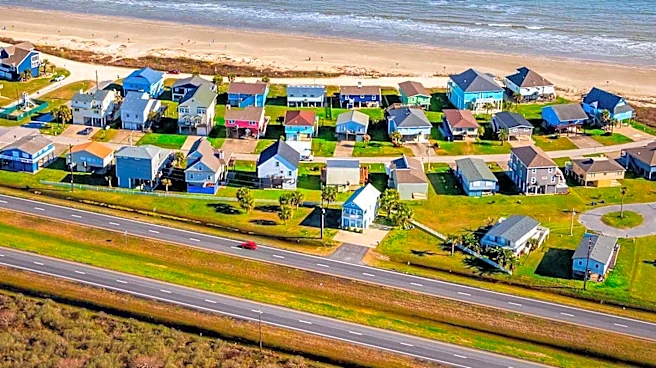
Nearly 21 years after Hurricane Katrina devastated the Mississippi Gulf Coast, numerous beachfront lots along U.S. 90, particularly in areas like Biloxi and Long Beach, remain vacant. The destruction caused by the hurricane erased a significant portion
of the tax base for many cities, as hotels and condos were destroyed. While there is a growing number of residents and visitors to the region, making commercial investment more viable, attracting developers has proven challenging. Long Beach Mayor Tim Pierce noted that developers are often reluctant to build structures high enough to meet current building codes, which are designed to withstand future storms. This reluctance stems from the increased costs associated with such construction, making beachfront development significantly more expensive than before Katrina. Danny Lee, who leads the Gulf Coast Association of Realtors, believes that a single major development could trigger a snowball effect, encouraging further investment in the area.
Why It's Important?
The continued vacancy of these beachfront lots has significant economic and social implications for the Mississippi Gulf Coast. The absence of development hinders the full economic recovery and revitalization of the region, impacting potential tax revenues that could fund essential public services. For instance, Long Beach Mayor Tim Pierce highlighted that increased investment could lead to higher salaries for teachers and first responders, directly benefiting the community. The elevated cost of beachfront property and construction post-Katrina has created a barrier to entry for many, shifting the demographic of potential developers and homeowners to those with substantial financial resources. This situation underscores the long-term economic challenges faced by communities recovering from major natural disasters, where rebuilding efforts are complicated by new regulations and increased costs, affecting local economies and the quality of life for residents.
What's Next?
Local governments along the Mississippi Gulf Coast are actively working to attract new businesses and development to these vacant beachfront properties. The city of Long Beach, for example, is investing in sprucing up empty blocks with amenities like palm trees, parking, and pavilions, hoping to make the land more appealing to developers. This initiative is seen as a "matter of necessity" by Mayor Tim Pierce, indicating a proactive approach to stimulate growth. The hope is that these improvements, coupled with the region's increasing population and tourism, will eventually draw the "one person" or major investor that Danny Lee believes is needed to kickstart broader development. The success of these efforts will determine the pace of economic revitalization and the ability of these coastal communities to fully recover and thrive in the coming years.
Beyond the Headlines
The persistent vacancy of beachfront lots on the Mississippi Gulf Coast nearly two decades after Hurricane Katrina highlights a broader issue concerning post-disaster recovery and urban planning in vulnerable coastal regions. The increased building codes, while necessary for resilience against future storms, have inadvertently created economic hurdles that deter development. This situation raises questions about the balance between safety regulations, economic viability, and community revitalization. It also points to the long-term psychological and economic impact of such catastrophic events, where the landscape and market dynamics are fundamentally altered. The struggle to rebuild and attract investment reflects a national challenge for coastal communities grappling with climate change and the escalating costs of preparing for and recovering from natural disasters, potentially leading to shifts in population and economic activity away from high-risk areas.