








What's Happening?
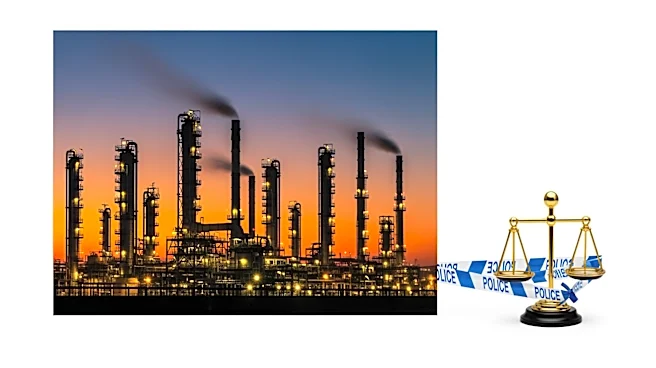
Israeli Prime Minister Benjamin Netanyahu has confirmed that Israel conducted airstrikes on Iran's petrochemical plants. In a video statement, Netanyahu stated that the strikes targeted facilities that serve as a financial resource for Iran's military
activities. He claimed that these plants, along with previously targeted steel production capabilities, are used to fund Iran's 'war of terror' against Israel and the world. The strikes are part of a broader strategy to weaken Iran's economic infrastructure, which Israel views as a threat to its national security.
Why It's Important?
The Israeli strikes on Iran's petrochemical plants represent a significant escalation in the ongoing conflict between the two nations. This action could further strain diplomatic relations and potentially provoke retaliatory measures from Iran. The targeting of economic infrastructure highlights the strategic importance of disrupting financial resources that support military activities. For the U.S. and its allies, this development may necessitate a reassessment of their diplomatic and military strategies in the region, as it underscores the volatility and complexity of Middle Eastern geopolitics.
What's Next?
The aftermath of the strikes could see increased tensions and potential retaliatory actions from Iran. The international community, including the United States, may engage in diplomatic efforts to de-escalate the situation and prevent further military confrontations. Monitoring of Iran's response and any subsequent military or economic actions will be crucial. Additionally, there may be calls for international mediation to address the underlying issues contributing to the conflict.